Tooth Pain Treatment in Dubai Healthcare City by Dr. Priyanka Sharma Dental Clinic
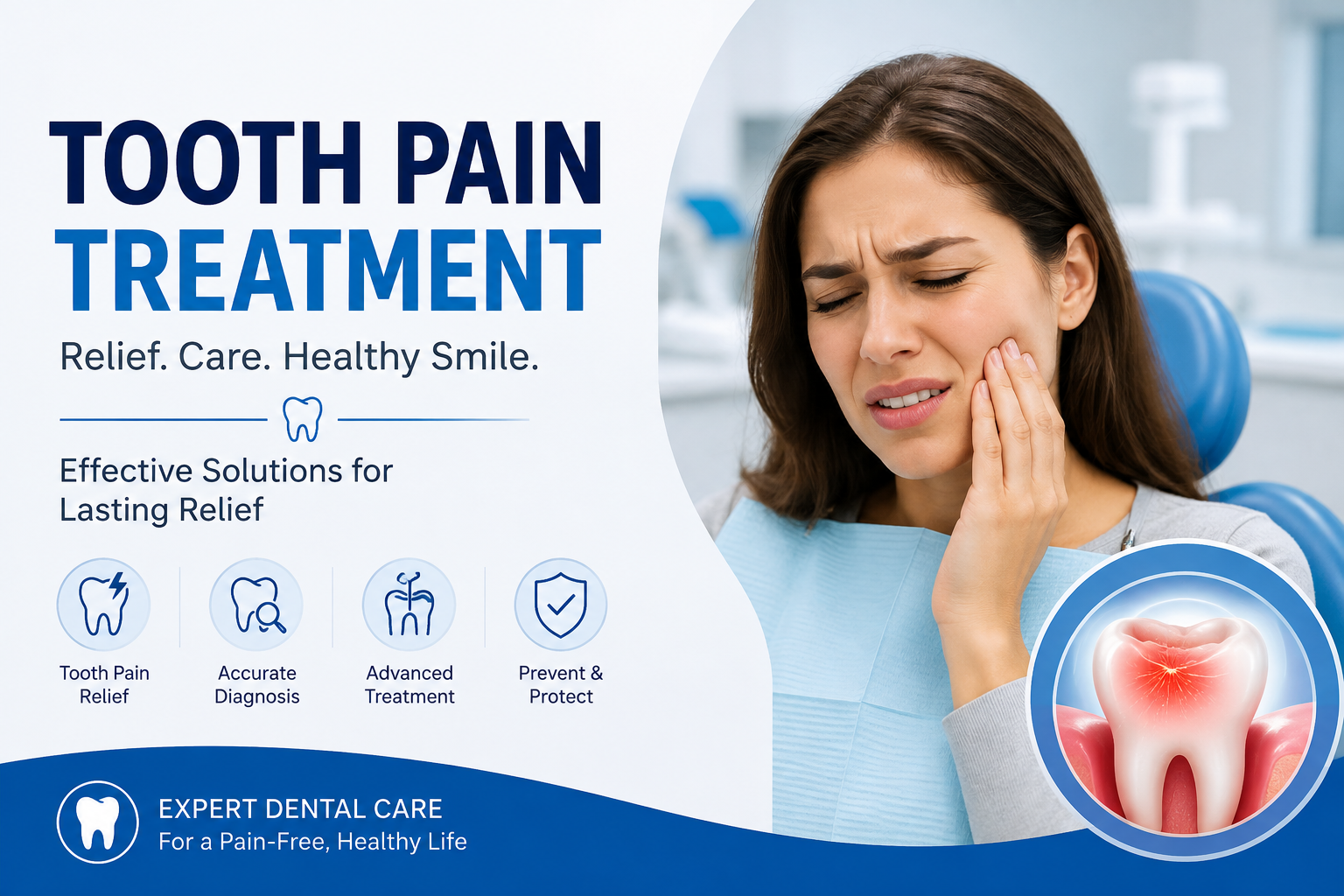
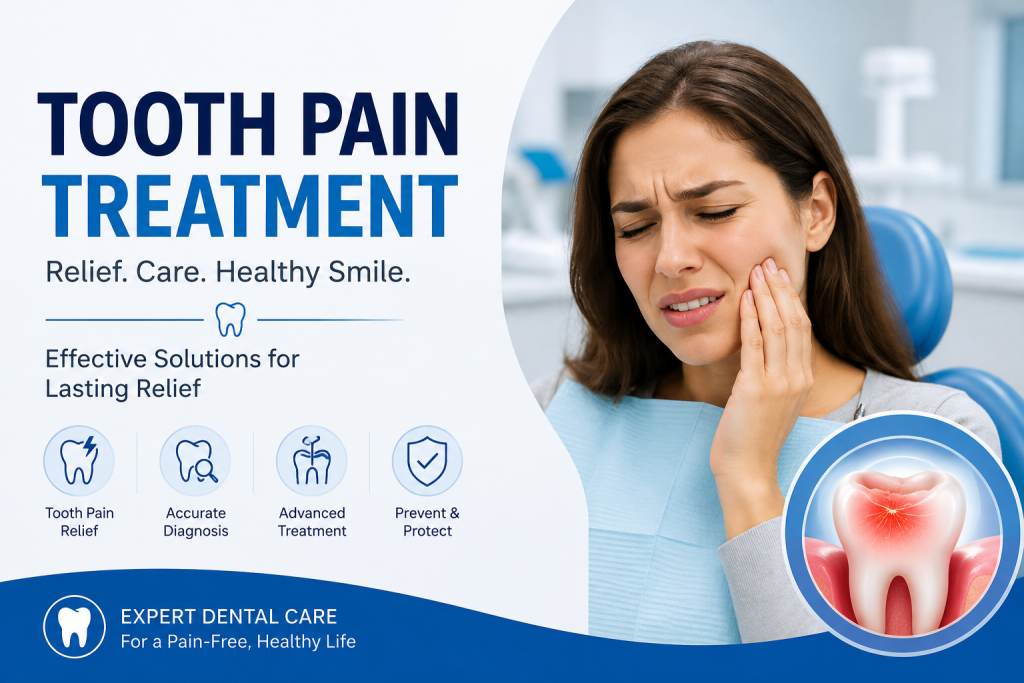
A toothache has a way of taking over your entire day. At first, it may feel like a small irritation when you drink something cold or bite into a hard piece of food. Then the discomfort becomes more frequent, sleep becomes difficult, eating becomes frustrating, and suddenly that little twinge has turned into a problem you cannot ignore. If you are looking for tooth pain treatment in Dubai Healthcare City, the important thing is not simply to make the pain disappear for a few hours. The real goal is to identify what is causing it and treat the underlying dental problem before it becomes more complicated.
Why Good Oral Hygiene Matters
Good oral hygiene removes plaque, food particles, along with harmful bacteria from the mouth. It contributes in protecting your teeth as well as gums from common dental issues.
Activities like brushing twice a day, flossing daily, along with visiting your dentist periodically can support long-term oral hygiene. Small daily habits can prevent many problems at initial stage from becoming serious issues.
Dr. Priyanka Sharma Dental Clinic provides dental care in Dubai Healthcare City with an emphasis on diagnosis, restorative treatment, preventive dentistry, and patient comfort. The clinic’s current service information includes treatments such as root canal therapy, extractions, prophylaxis, crowns and bridges, and other general and cosmetic dental services. That range matters because tooth pain does not have one universal solution. A cavity may need a filling, an infected tooth may require root canal treatment, a severely damaged tooth may need extraction, while gum inflammation may require an entirely different approach.
When you understand why your tooth hurts, what treatment may be appropriate, and when you should seek professional attention, the situation becomes much less intimidating. Think of dental pain as an alarm system: taking a painkiller may temporarily quiet the alarm, but it does not necessarily switch off the problem that triggered it. Professional dental care helps locate the source of that alarm and determine the most appropriate way to restore your oral health.
Why Tooth Pain Should Never Be Ignored
Tooth pain is rarely something you should simply learn to live with. Teeth contain sensitive internal tissues, and pain can occur when decay, trauma, inflammation, infection, gum disease, cracks, worn restorations, or other problems affect those tissues. Sometimes the discomfort is mild and intermittent, but that does not automatically mean the underlying condition is mild. Dental problems can progress quietly between painful episodes, which is why waiting until the pain becomes unbearable can sometimes make treatment more complicated.
Imagine noticing a small leak beneath your kitchen sink. You could place a towel underneath it and feel relieved because the floor is temporarily dry, but the pipe is still leaking. Tooth pain can work in much the same way. Temporary pain relief may make you feel better, yet the cavity, damaged filling, infection, or other cause may remain. A dental examination is therefore important when pain persists, returns repeatedly, interferes with eating or sleeping, or is accompanied by swelling or other unusual symptoms.
Early attention can also give you more treatment choices. A tooth with early decay may potentially be restored with a relatively straightforward filling, while extensive decay reaching the inner portion of the tooth may require more involved treatment. The sooner the cause is identified, the easier it is for a dentist to explain your options and help you make an informed decision.
Common Causes of Tooth Pain
There are many possible reasons for dental pain, and the sensation alone does not always tell you exactly what is happening. Tooth decay is one of the most familiar causes. As decay progresses, it can make the tooth increasingly sensitive and eventually affect deeper structures. A cracked tooth can also cause sharp pain, particularly when chewing, while a damaged filling or crown may expose vulnerable areas of the tooth.
Gum problems are another possible source. Inflamed or infected gum tissue can cause tenderness, bleeding, swelling, or discomfort around one or several teeth. Wisdom teeth can create pain when they do not have enough room to erupt properly, and dental trauma can cause symptoms even when the damage is not immediately visible.
Teeth grinding and clenching can also contribute to soreness and sensitivity. If you regularly wake with jaw discomfort or notice that your teeth hurt without an obvious cavity, your dentist may investigate whether excessive pressure is contributing to the problem. Because these causes can overlap, guessing the diagnosis based solely on symptoms is risky.
Tooth Decay, Infection, and Dental Damage
Decay often begins without dramatic symptoms. You may notice nothing more than occasional sensitivity to sweets or cold drinks. As the problem advances, however, bacteria can damage more of the tooth structure, and the discomfort may become stronger or more persistent.
An infected tooth can be particularly troublesome. Pain may become throbbing, the tooth may feel tender when biting, and swelling can develop around the tooth or gum. In some cases, patients describe pain that seems to radiate toward the jaw, ear, or surrounding facial area. Such symptoms deserve prompt dental evaluation rather than repeated attempts to manage the discomfort at home.
Physical damage can create a different pattern. A cracked tooth may hurt when you bite down and sometimes hurt again when you release the bite. A broken tooth can expose sensitive internal structures, while an old restoration can deteriorate and allow bacteria to enter around its edges. Each situation requires an examination because the appropriate treatment depends on the location and extent of the damage.
Recognizing the Different Types of Tooth Pain
Not all tooth pain feels the same, and describing your symptoms accurately can help your dentist understand what may be happening. A brief sharp sensation from cold food may suggest sensitivity or a problem that needs investigation, while spontaneous throbbing pain can indicate deeper inflammation. Pain that occurs primarily while chewing may point toward a damaged tooth, cracked structure, inflammation around the root, or another mechanical issue.
Persistent pain deserves particular attention. If your tooth continues to hurt even after the original trigger has disappeared, that is different from a momentary response to cold or heat. Similarly, pain that wakes you during the night or prevents you from eating normally should not be dismissed simply because the tooth looks normal in the mirror.
Another useful detail is whether the pain is localized or difficult to pinpoint. Sometimes inflammation around a tooth can create referred pain, making it surprisingly difficult for a patient to identify exactly which tooth is responsible. That is one reason a professional examination can be so valuable. Your dentist can combine your description with clinical tests and, when appropriate, dental imaging to narrow down the cause.
Sharp, Throbbing, and Persistent Dental Pain
Sharp pain often appears suddenly. You might experience it while biting, drinking something cold, or eating something sweet. It may disappear quickly, or it may linger after the trigger is gone. Repeated sharp pain should be investigated because it can be associated with decay, sensitivity, cracks, or other dental conditions.
Throbbing pain tends to feel deeper and more rhythmic. It may become especially noticeable at night, and it can sometimes occur without an obvious trigger. When throbbing pain is accompanied by swelling, fever, facial swelling, or difficulty swallowing, the situation can be more urgent and should receive prompt professional attention.
Persistent pain is its own warning sign. If you have been experiencing discomfort for days or if pain repeatedly returns, scheduling a dental examination is a sensible next step. Rather than trying to classify the condition yourself, give your dentist as much information as possible: when the pain began, what makes it worse, whether it wakes you at night, and whether hot, cold, sweet, or chewing triggers it.
When Tooth Pain Becomes a Dental Emergency
Some dental problems can wait for a routine appointment, while others deserve urgent attention. Severe pain that suddenly becomes intense, facial or jaw swelling, significant bleeding, a traumatic dental injury, or symptoms suggesting an infection should not be casually ignored. Difficulty breathing or swallowing associated with facial or oral swelling is especially serious and requires immediate medical attention.
A dental emergency is not defined only by how dramatic the tooth looks. A tooth can appear relatively normal while the internal tissues are inflamed or infected. Conversely, a visibly chipped tooth may sometimes be less urgent than a severe infection. The symptoms, examination findings, and overall situation determine the appropriate response.
If you experience a dental emergency, contact a dental professional as soon as possible. Dubai has multiple dental facilities offering urgent and emergency dental services, and Dubai Health currently lists dental emergency services among its oral-health offerings. The key lesson is simple: severe symptoms should not be postponed simply because you hope they will disappear overnight.
Warning Signs That Require Prompt Dental Care
Pay close attention when tooth pain is accompanied by swelling around the tooth, gum, cheek, or jaw. A bad taste or drainage, significant tenderness, fever, difficulty opening the mouth, or rapidly increasing discomfort can also indicate a problem requiring prompt assessment. A knocked-out tooth, major fracture, or significant injury is another reason to seek urgent dental care.
Even without these dramatic signs, pain that interferes with sleep or daily activities deserves attention. You do not need to wait until you are unable to tolerate the pain before making an appointment. Early evaluation can often clarify whether you need immediate treatment or a planned restorative procedure.
Tooth Pain Diagnosis at a Dubai Healthcare City Dental Clinic
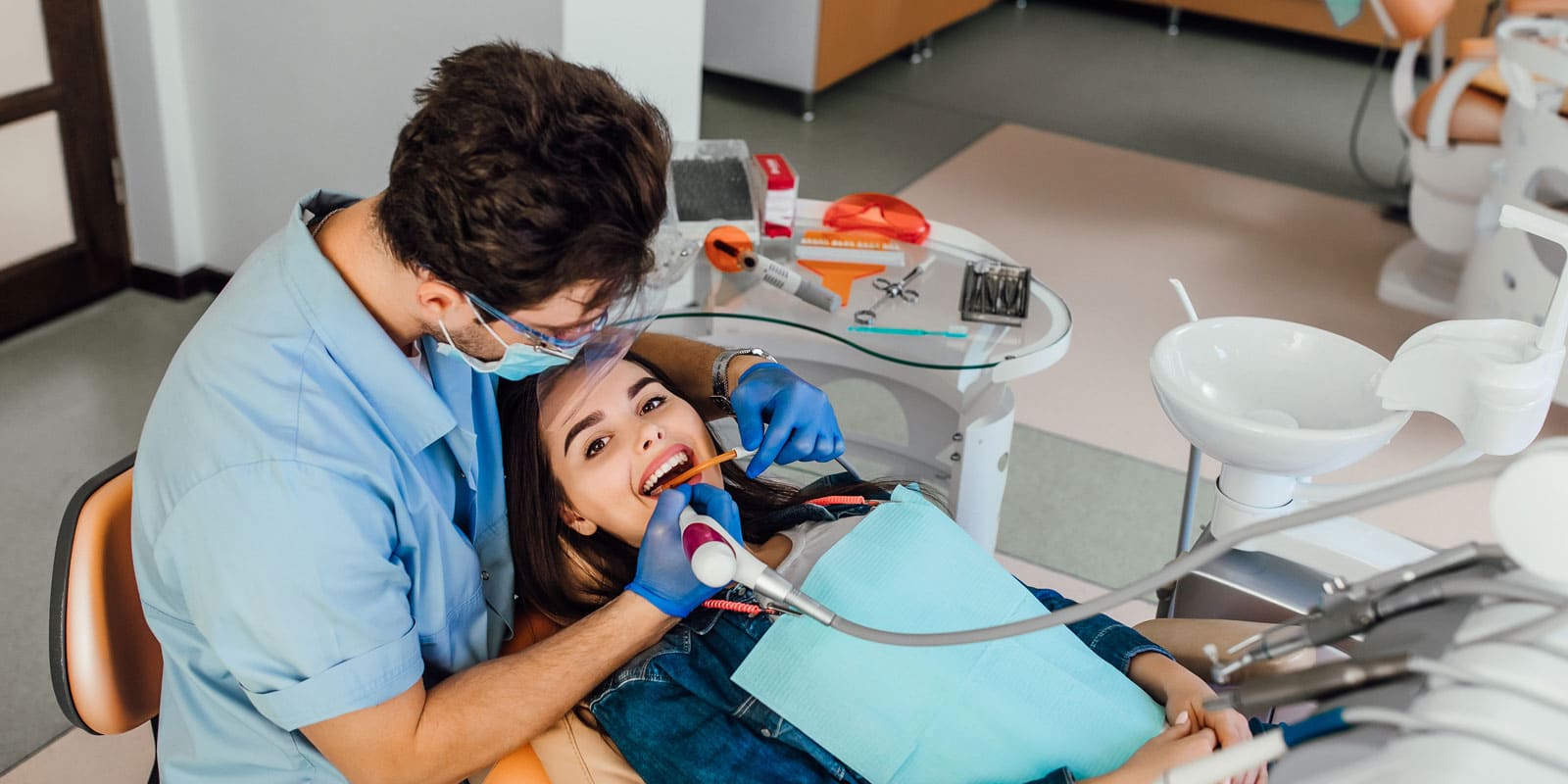
Effective tooth pain treatment begins with an accurate diagnosis. During an appointment, your dentist will usually ask about the pain and examine the affected tooth and surrounding tissues. Depending on the symptoms, the dentist may perform tests involving temperature, pressure, biting, percussion, or other clinical methods to understand how the tooth is responding.
Dental imaging may also be recommended when the cause cannot be identified through a visual examination alone. An X-ray or other appropriate diagnostic image can reveal problems beneath the gumline or inside the tooth that are not visible during a standard inspection. This information can help distinguish between different conditions and guide the treatment plan.
The diagnostic process is not simply about putting a label on your toothache. It is about answering several practical questions: What is causing the pain? Can the tooth be saved? What treatment is appropriate? How urgent is the situation? What can be done to prevent the same problem from returning?
What Happens During a Dental Examination
Your appointment should begin with communication. Tell the dentist when the pain started and whether it is constant or intermittent. Mention anything that triggers it, including hot drinks, cold water, sweets, chewing, brushing, or pressure. Also mention whether you have experienced swelling, bad taste, fever, trauma, or previous treatment on that tooth.
The dentist then examines your mouth and may focus on the painful tooth as well as nearby teeth and gums. This broader view matters because pain can sometimes be difficult to localize. A neighboring tooth or gum condition may produce discomfort that seems to come from somewhere else.
After the examination, your dentist can explain the findings and discuss treatment choices. A good treatment discussion should make the problem understandable rather than overwhelming. You should know what is being recommended, why it is recommended, and what alternatives may exist.
Toothache Treatment Options
There is no single treatment for every toothache. The correct approach depends on the underlying cause and the condition of the tooth. Treatment may involve removing decay, restoring damaged tooth structure, treating the inside of an infected tooth, addressing gum disease, removing a problematic tooth, or managing a combination of conditions.
For relatively minor decay, a filling may be enough to restore the tooth and protect it from further damage. For a tooth with deeper infection, root canal treatment may be appropriate. If a tooth is severely damaged and cannot be predictably restored, extraction may become the recommended option.
The important point is that pain treatment should be cause-specific. Taking medication without addressing the underlying dental condition can sometimes create the illusion that the problem has been solved. A dentist’s role is to determine what needs to be treated and how best to preserve oral function wherever possible.
Fillings and Restorative Dental Care
A filling can be an effective solution when decay has damaged a tooth but the tooth remains suitable for restoration. During treatment, the dentist removes the affected portion and restores the resulting space with an appropriate filling material. The goal is to remove diseased tooth structure while preserving as much healthy tooth as reasonably possible.
Restorative dentistry can also address damaged or worn areas that contribute to sensitivity or discomfort. Depending on the situation, a dentist may discuss fillings, crowns, or other restorative approaches. The choice depends on factors such as how much tooth structure remains, the location of the damage, biting forces, and the overall condition of the tooth.
The earlier restorative care is provided, the greater the opportunity to manage the problem before it progresses deeper. That is why regular dental examinations matter even when you currently feel comfortable.
Root Canal Treatment for Severe Tooth Pain
When decay or damage reaches the pulp, the living tissue inside the tooth, simple filling treatment may no longer be sufficient. In such cases, root canal treatment can be used to remove infected or inflamed tissue, clean the internal root canal system, and seal the tooth so it can continue functioning.
The idea of a root canal often creates anxiety because people associate it with pain. Modern dental treatment is designed to control discomfort through appropriate local anesthesia and careful technique. In fact, root canal therapy is often performed precisely because the tooth itself is causing significant pain or infection.
Dr. Priyanka Sharma Dental Clinic currently lists Root Canal Treatment (RCT) among its dental services and describes the treatment as a way to eliminate infection, reduce pain, and restore tooth function. The suitability of root canal treatment, however, must be determined through an individual dental examination rather than assumed from symptoms alone.
How Root Canal Therapy Relieves Pain
A root canal works by addressing the diseased tissue inside the tooth rather than simply masking the sensation of pain. Once the infected or inflamed pulp is removed, the internal space is cleaned and treated before the tooth is sealed. Depending on how much tooth structure remains, a restoration such as a crown may subsequently be recommended to protect the tooth.
The process is usually planned around the condition of the tooth and the patient’s symptoms. Some cases may require more than one visit, while others can be managed according to the dentist’s treatment protocol. After treatment, temporary sensitivity can occur, particularly when the tooth has been significantly inflamed before the procedure.
The long-term objective is to retain the natural tooth whenever it can be safely and predictably restored. Saving a natural tooth can help maintain chewing function and the natural arrangement of surrounding teeth, which is why dentists often consider root canal treatment when the tooth remains restorable.
Tooth Extraction When a Tooth Cannot Be Saved
Extraction is sometimes necessary when a tooth is too severely damaged, fractured, decayed, or compromised to be restored successfully. Although keeping natural teeth is generally desirable, attempting to preserve a tooth that cannot function properly may create ongoing problems. The dentist therefore considers the condition of the tooth, surrounding tissues, infection status, and long-term prognosis before recommending removal.
The decision should be based on diagnosis rather than fear. A patient may assume that extraction is the fastest solution, but a dentist may identify a realistic opportunity to save the tooth. Conversely, a severely compromised tooth may have a poor prognosis, making extraction a more predictable choice.
Dr. Priyanka Sharma Dental Clinic lists tooth extractions among its dental services and emphasizes careful treatment designed to minimize discomfort. After an extraction, the focus shifts to healing and, where appropriate, discussing options for replacing the missing tooth.
Treating Tooth Pain Caused by Gum Problems
Sometimes the tooth itself is not the primary problem. Inflamed gums can become tender, swollen, and painful, especially when plaque and tartar accumulate around the teeth. Gum problems can also contribute to sensitivity and discomfort during brushing or chewing.
Treatment may involve professional cleaning, improved home-care practices, periodontal treatment, or other procedures depending on the severity of the condition. Regular dental cleaning is not simply cosmetic. Removing plaque and hardened deposits can support healthier gums and make it easier to maintain good oral hygiene.
If your gums bleed regularly, feel swollen, or hurt when you brush, do not automatically assume that bleeding is normal. It is better to have the condition assessed and receive personalized guidance on brushing, flossing, interdental cleaning, and other preventive measures.
Managing Wisdom Tooth Pain
Wisdom teeth can create a unique set of problems because they are located at the back of the mouth where cleaning can be difficult. When there is insufficient space for a wisdom tooth to erupt normally, the surrounding gum can become irritated or inflamed. Food and bacteria may accumulate around partially erupted teeth, contributing to discomfort and infection.
Not every wisdom tooth needs to be removed. Some develop normally and can be cleaned effectively, while others create repeated problems. A dentist may use clinical examination and imaging to evaluate the tooth’s position and determine whether monitoring, treatment, or extraction is appropriate.
If you have recurring pain around the back of your jaw, swelling near a wisdom tooth, difficulty opening your mouth, or discomfort when chewing, professional assessment is preferable to repeatedly waiting for the symptoms to settle.
Tooth Sensitivity Versus True Toothache
Sensitivity is often confused with toothache, but the two experiences can be different. Sensitivity may appear as a short, sharp response to cold, heat, sweetness, or airflow. Toothache associated with deeper inflammation can be more persistent and may occur spontaneously.
Sensitivity can result from exposed dentin, gum recession, enamel wear, aggressive brushing, cracks, decay, or other factors. The correct solution depends on the cause. Simply switching toothpaste may help some forms of sensitivity, but it will not repair a cavity or treat an infected tooth.
If sensitivity is new, worsening, localized to one tooth, or accompanied by lingering pain, arrange a dental examination. A dentist can determine whether the problem is straightforward sensitivity or a symptom of a more significant dental condition.
What to Do Before Your Dental Appointment
When tooth pain starts, your immediate goal is usually simple: get comfortable enough to function until you can see a dentist. Keep the area clean and avoid foods that clearly trigger the pain. If chewing hurts, choose softer foods temporarily and try not to place unnecessary pressure on the affected side.
Follow medication instructions carefully and avoid taking more than the recommended amount. Do not place harsh chemicals or unapproved substances directly onto the tooth or gum, as these can damage oral tissues. A temporary reduction in pain should also not convince you that a dental examination is unnecessary if the symptoms return.
If there is swelling, severe pain, trauma, or other concerning symptoms, seek professional care promptly rather than attempting prolonged home treatment. Dental first aid should be viewed as a bridge to professional care, not a replacement for diagnosis.
Why Professional Diagnosis Matters
Search engines can tell you what symptoms might mean, but they cannot examine your tooth. Two people can experience similar pain for completely different reasons. One person may have a small cavity, another may have a cracked tooth, and another may have inflammation around the root.
This is why professional diagnosis remains the foundation of effective dental treatment. A dentist can evaluate your individual situation and create a plan based on clinical findings rather than assumptions. That approach can reduce unnecessary treatment while making sure serious conditions are not overlooked.
Good dentistry is not simply about removing pain as quickly as possible. It is about understanding why the pain occurred and choosing treatment that supports the long-term health and function of your teeth.
Pain Relief After Dental Treatment
Some tenderness after dental treatment can be expected, depending on the procedure and the condition of the tooth beforehand. Your dentist can explain what sensations are normal, what foods to avoid temporarily, and how to care for the treated area.
After root canal treatment, extraction, filling, or another procedure, follow the specific aftercare instructions provided by your dental team. Avoid assuming that every procedure has the same recovery process. The advice following an extraction, for example, differs significantly from the care required after a routine filling.
Contact your dentist if pain becomes increasingly severe rather than gradually improving, or if you develop symptoms that were not expected. Clear communication after treatment is part of good dental care.
Preventing Tooth Pain in the Future
The best toothache is the one you never have to experience. Prevention starts with consistent oral hygiene, including brushing twice daily with fluoride toothpaste and cleaning between the teeth. Regular dental examinations can also identify problems before they become painful.
Diet plays a role too. Frequent sugary snacks and drinks can increase the risk of tooth decay, particularly when oral hygiene is inconsistent. Drinking water, limiting frequent sugar exposure, and maintaining a balanced diet can support better oral health.
Protect your teeth from unnecessary damage as well. Do not use your teeth as tools to open packages, avoid chewing extremely hard objects, and discuss a mouthguard with your dentist if you participate in contact sports or grind your teeth. Small habits repeated every day can have a surprisingly large impact over time.
Choosing a Tooth Pain Dentist in Dubai Healthcare City
When you are searching for tooth pain treatment in Dubai Healthcare City, convenience matters, but it should not be the only consideration. You want a dental clinic where the dentist can evaluate the cause of your pain, explain the treatment options clearly, and provide appropriate follow-up.
Dr. Priyanka Sharma Dental Clinic is located in Dubai Healthcare City and provides general and cosmetic dental care. Its current service information includes root canal treatment, extractions, prophylaxis, crowns and bridges, pediatric restorative care, and other dental services. This broad range can be useful when tooth pain requires more than a single type of procedure.
It is also sensible to ask questions before treatment. What is causing the pain? Can the tooth be saved? Is an X-ray required? What treatment options are available? How many visits might be needed? What should you expect during recovery? A good dental consultation should leave you with a clear understanding of your condition and the next step.
Why Consider Dr. Priyanka Sharma Dental Clinic
For patients seeking dental care in Dubai Healthcare City, Dr. Priyanka Sharma Dental Clinic positions its approach around modern dental care, personalized treatment, and patient comfort. The clinic’s published information specifically highlights a gentle approach and lists multiple restorative and preventive services.
That can be particularly relevant for people who have delayed dental treatment because they are worried about discomfort. Tooth pain already creates enough anxiety; a calm consultation and clear explanation can make the process easier to navigate. The aim should be to understand the problem, discuss realistic options, and proceed with treatment in a controlled and informed way.
The clinic’s published contact information identifies its Dubai Healthcare City location as Clinic 304, Building 24, Umm Hurair Second, Dubai, and lists its telephone contact as +971 54 555 1637. Because clinic schedules and appointment availability can change, patients should confirm current details directly before visiting.
What to Expect From a Patient-Centered Dental Visit
A comfortable dental visit begins before the treatment chair. It starts with being heard. If you tell your dentist exactly what you are experiencing, including how long the pain has lasted and what triggers it, you give the clinical team useful information for diagnosis.
The next step is understanding the treatment plan. Rather than simply being told that you need a procedure, you should understand why the procedure is being considered. Knowing what will happen can reduce uncertainty, especially if you have never undergone a root canal, extraction, or other restorative treatment before.
Finally, good dental care includes follow-up and prevention. Once the immediate pain is addressed, the next question becomes how to keep your teeth healthy so that the same cycle does not repeat. That combination of treatment and prevention is what turns a one-time emergency visit into a longer-term oral-health strategy.
Conclusion
Tooth pain should not be treated as an inconvenience that you simply have to tolerate. Whether the cause is decay, infection, gum inflammation, sensitivity, trauma, a cracked tooth, or a wisdom tooth problem, the right treatment begins with identifying what is actually happening. Temporary relief may make the day easier, but professional diagnosis is what gives you a path toward resolving the underlying dental issue.
For people looking for tooth pain treatment in Dubai Healthcare City, Dr. Priyanka Sharma Dental Clinic offers a range of general and restorative dental services, including root canal treatment and extractions, alongside preventive and other dental care. The most appropriate treatment will always depend on an individual examination and diagnosis.
If your tooth has started hurting, do not wait for the pain to become unbearable before seeking help. A timely dental appointment can provide clarity, reduce uncertainty, and help protect your natural teeth and overall oral health. The sooner you understand the cause, the sooner you can make an informed decision about treatment.