Introduction
Good oral health is a key secret to healthy smile and easy-going daily life. But there is possibility of several dental problems that can develop without taking proper care. There are problems that cause mild discomfort, while other problems require extensive dental treatment.
Understanding common dental problems can let you notice about the early warning signs. Proper oral hygiene, good eating habits, as well as frequent dental visits can also reduce their risk.
Why Good Oral Hygiene Matters
Good oral hygiene removes plaque, food particles, along with harmful bacteria from the mouth. It contributes in protecting your teeth as well as gums from common dental issues.
Activities like brushing twice a day, flossing daily, along with visiting your dentist periodically can support long-term oral hygiene. Small daily habits can prevent many problems at initial stage from becoming serious issues.
15 Common Dental Problems
1. Tooth Decay and Cavities
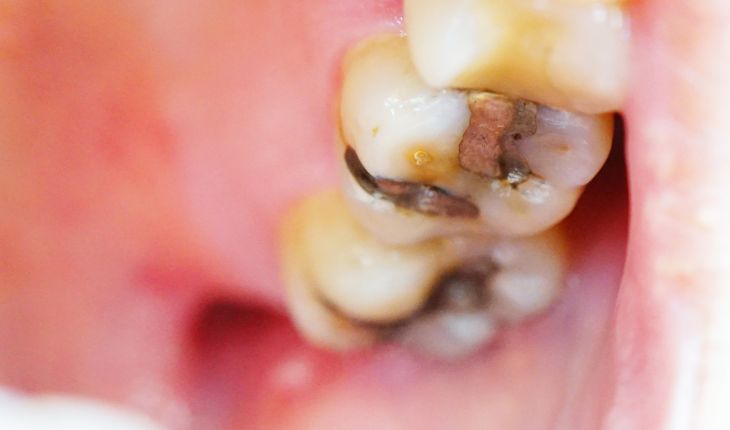
Tooth decay, one of the common problems occur when bacteria start producing acids leading to damage the tooth enamel. Regular brushing, flossing, and limiting sugary foods are the steps towards preventing cavities.
2. Gum Disease
Gum disease often causing red, swollen, or even bleeding gums. Good oral hygiene as well as continuous dental cleanings can help prevent plaque formation and protect your gums.
3. Tooth Sensitivity
Tooth sensitivity, another dental problem causing extreme discomfort when taking hot, cold, sweet, or acidic foods. Using the right toothpaste and focusing on the underlying cause can let you manage sensitivity.
4. Bad Breath
Bad breath, result of poor oral hygiene, food particles, or other dental problems. Brushing twice a day, flossing, tongue cleaning, and proper hydration can keep your breath fresh.
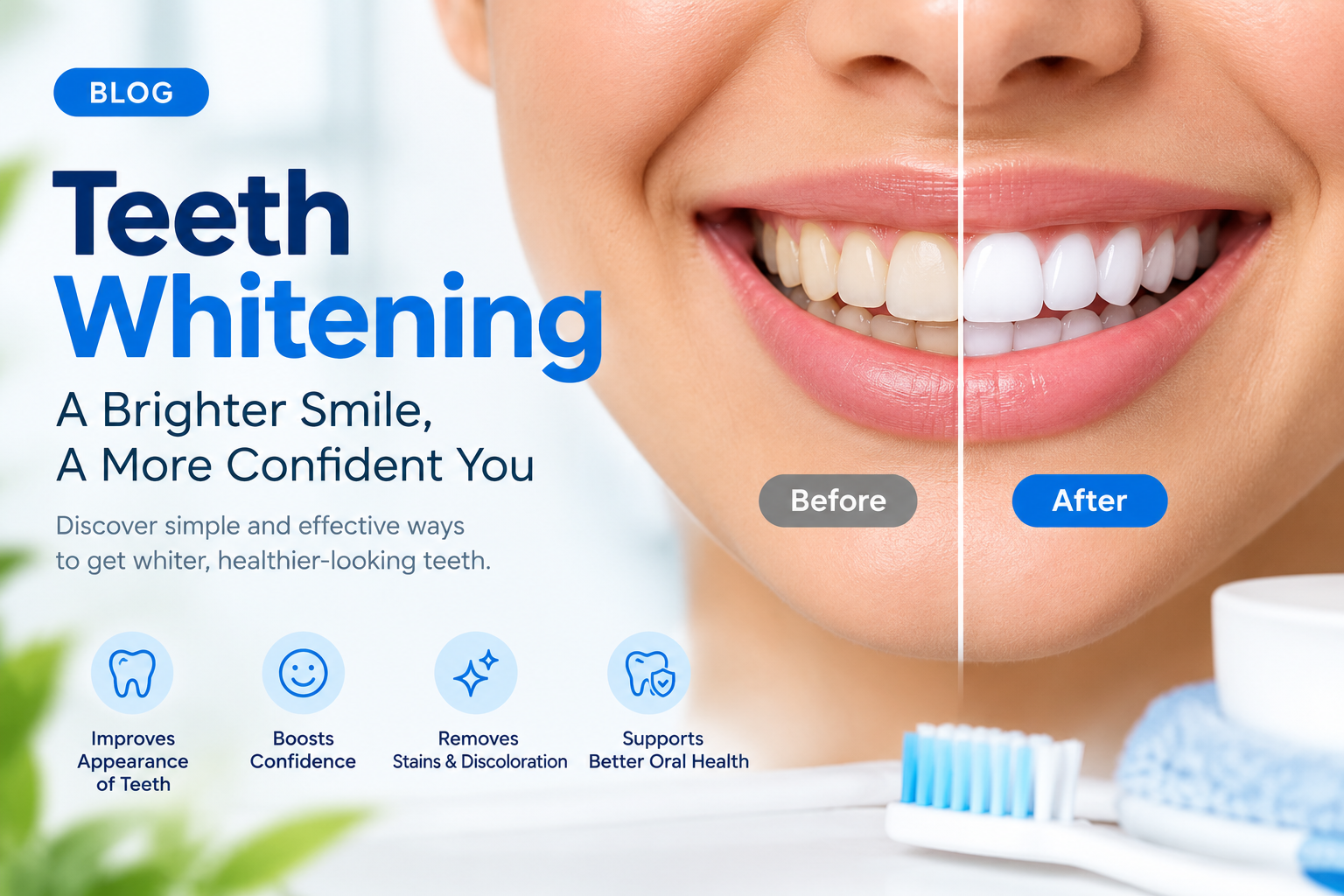
5. Tooth Discoloration
Colour of teeth can change or discolored due to aging, food, drinks, tobacco, or even poor oral hygiene. Consuming fewer staining foods and maintaining healthy brushing habits can help preserve a brighter as well as healthy smile.
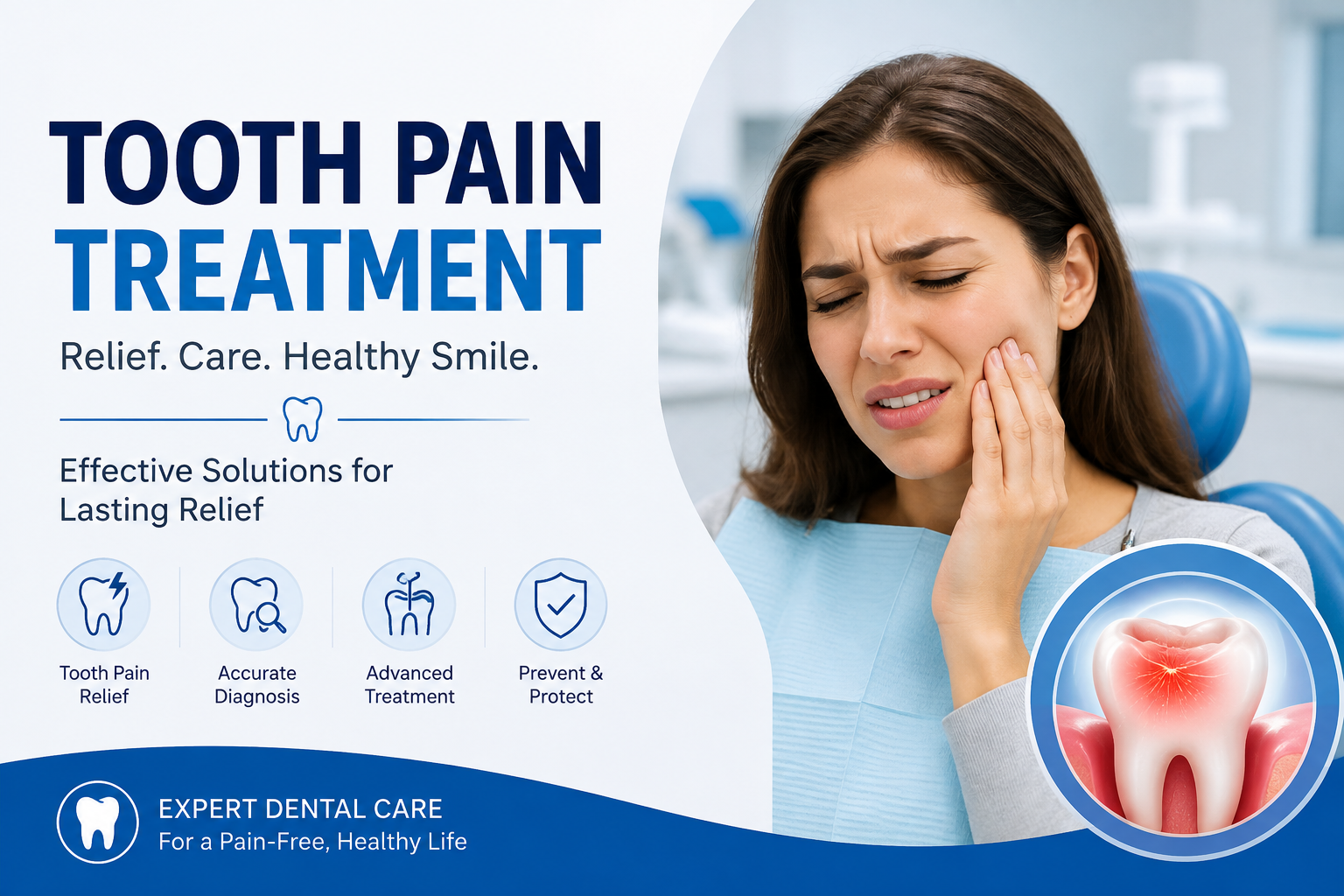
6. Toothache
Next is toothache, that may result from decay, infection, cracks, or some other dental problems. Do not ignore the continuous pain because early dental care can let you prevent the problem from worsening.
7. Cracked or Chipped Teeth
Sometimes, teeth can crack because of injuries, hard foods, or even weakened enamel. So, avoid chewing extremely hard objects and must use protective equipment.
8. Tooth Erosion
Tooth erosion is another dental problem when acids gradually tear away the tooth enamel. Therefore, limiting the acidic foods and drinks as well as maintaining good oral care can help protect the enamel.
9. Oral Infections
Oral infections include bacterial infections which can affect the teeth, gums, or surrounding tissues. Therefore, maintaining oral hygiene and seeking dental care for unusual swelling or pain can reduce complications.
10. Receding Gums
Receding gums expose more of the tooth and it may increase sensitivity. Proper brushing, flossing, and regular dental examinations can help protect gum health.
11. Dental Abscess
A dental abscess is a pocket of infection and which can cause pain, swelling, or even fever in certain circumstances. It requires immediate professional dental care and must never be ignored.
12. Plaque and Tartar Buildup
Plaque is nothing but an sticky layer of bacteria that forms on teeth surface. But when it hardens into tartar, then professional cleaning may be required to get rid of it. Regular brushing and flossing help control plaque buildup.
13. Dry Mouth
Dry mouth, another scenario which occurs when the mouth does not produce enough saliva. Drinking enough water as well as discussing the dryness with a dentist can help identify the underlying cause of the same.
14. Teeth Grinding
Teeth grinding can result in wearing down enamel and cause jaw discomfort. Stress management along with a dentist-recommended mouthguard can help in protecting the teeth.
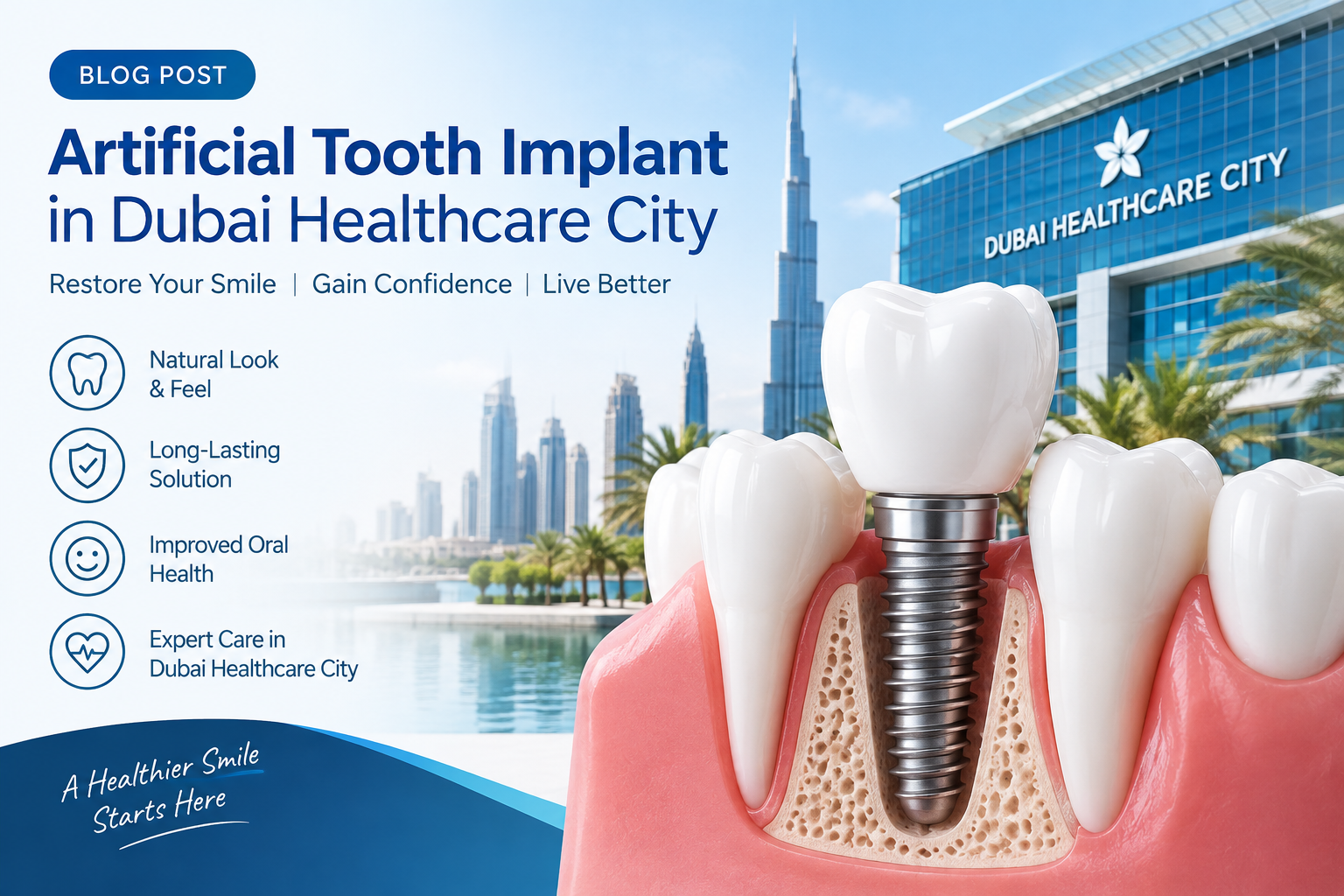
15. Missing Teeth
Missing teeth can cause chewing along with speech problems, and the appearance of your smile as well. Preventing decay and gum disease can reduce the risk of tooth loss, while dental replacements can restore function when needed.
How to Prevent Common Dental Problems
Brush Your Teeth Twice a Day
Brush your teeth twice daily using a soft-bristled toothbrush and fluoride toothpaste. Use gentle movements and clean all tooth surfaces carefully.
Floss Every Day
Flossing removes plaque and food particles from areas that a toothbrush cannot reach. Daily flossing can help maintain healthier teeth and gums.
Maintain a Healthy Diet
Limit sugary and acidic foods because frequent exposure can increase the risk of tooth damage. Choose balanced meals and drink plenty of water throughout the day.
Visit Your Dentist Regularly
Regular dental examinations help identify problems before they become more serious. Professional cleaning can also remove tartar that cannot be removed through normal brushing.
When Should You Visit a Dentist?
You should schedule a dental appointment if you experience persistent tooth pain, bleeding gums, swelling, sensitivity, bad breath, loose teeth, or visible changes in your mouth.
Early treatment can often prevent minor problems from becoming more complicated. Do not wait for severe pain before seeking professional dental care from a trusted dentist in oud metha.
Final Thoughts
Dental problems can affect people of all ages, but many can be prevented through simple and consistent habits. Brushing, flossing, healthy eating, and regular dental visits form the foundation of good oral hygiene.
Paying attention to early symptoms also makes a difference. With proper daily care and timely professional guidance, you can protect your teeth, maintain healthy gums, and enjoy a confident smile for years to come.