Teeth Whitening Treatment in Dubai Healthcare City by Dr. Priyanka Sharma Dental Clinic
A bright, healthy-looking smile can make everyday interactions feel more comfortable, whether you are meeting clients, attending a special event, or spending time with friends and family. However, teeth can gradually lose their natural brightness because of food, drinks, ageing, and everyday habits. If you have noticed yellowing or stubborn stains, professional teeth whitening in Dubai Healthcare City may be an option worth discussing with your dentist.
Dr. Priyanka Sharma Dental Clinic, located in Dubai Healthcare City, provides dental care that includes cosmetic dentistry and preventive treatments. The clinic lists Dr. Priyanka Sharma as a general and cosmetic dentistry practitioner and offers services such as professional cleaning and cosmetic dental treatments.
Dr. Priyanka Sharma
If you are considering a brighter smile, understanding the causes of tooth discolouration, the whitening process, and the importance of a dental assessment can help you make an informed decision.
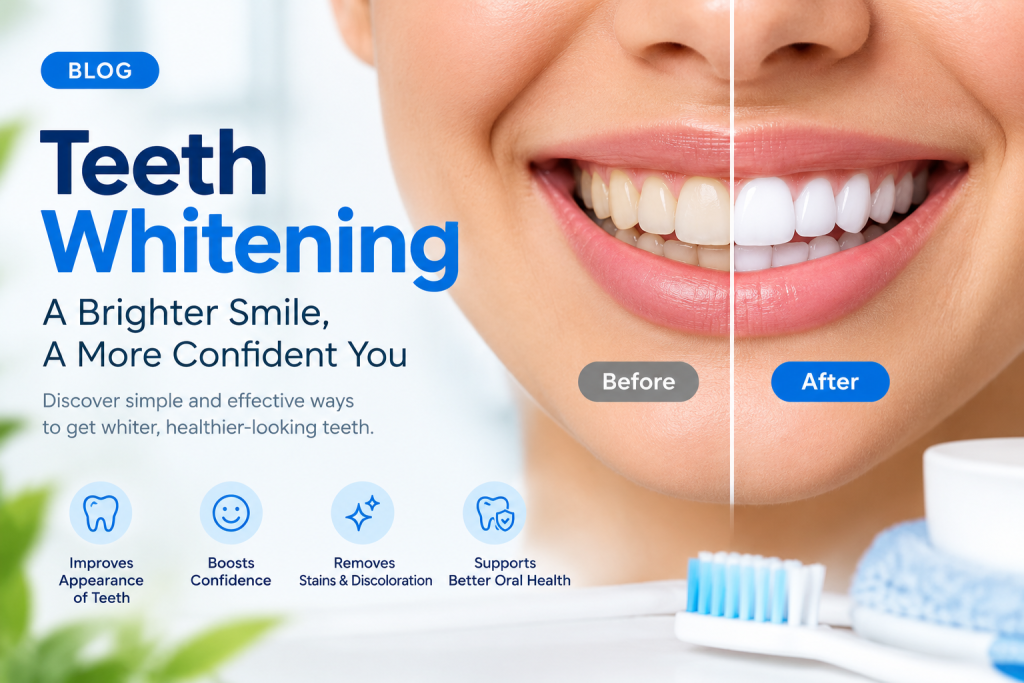
Introduction to Professional Teeth Whitening
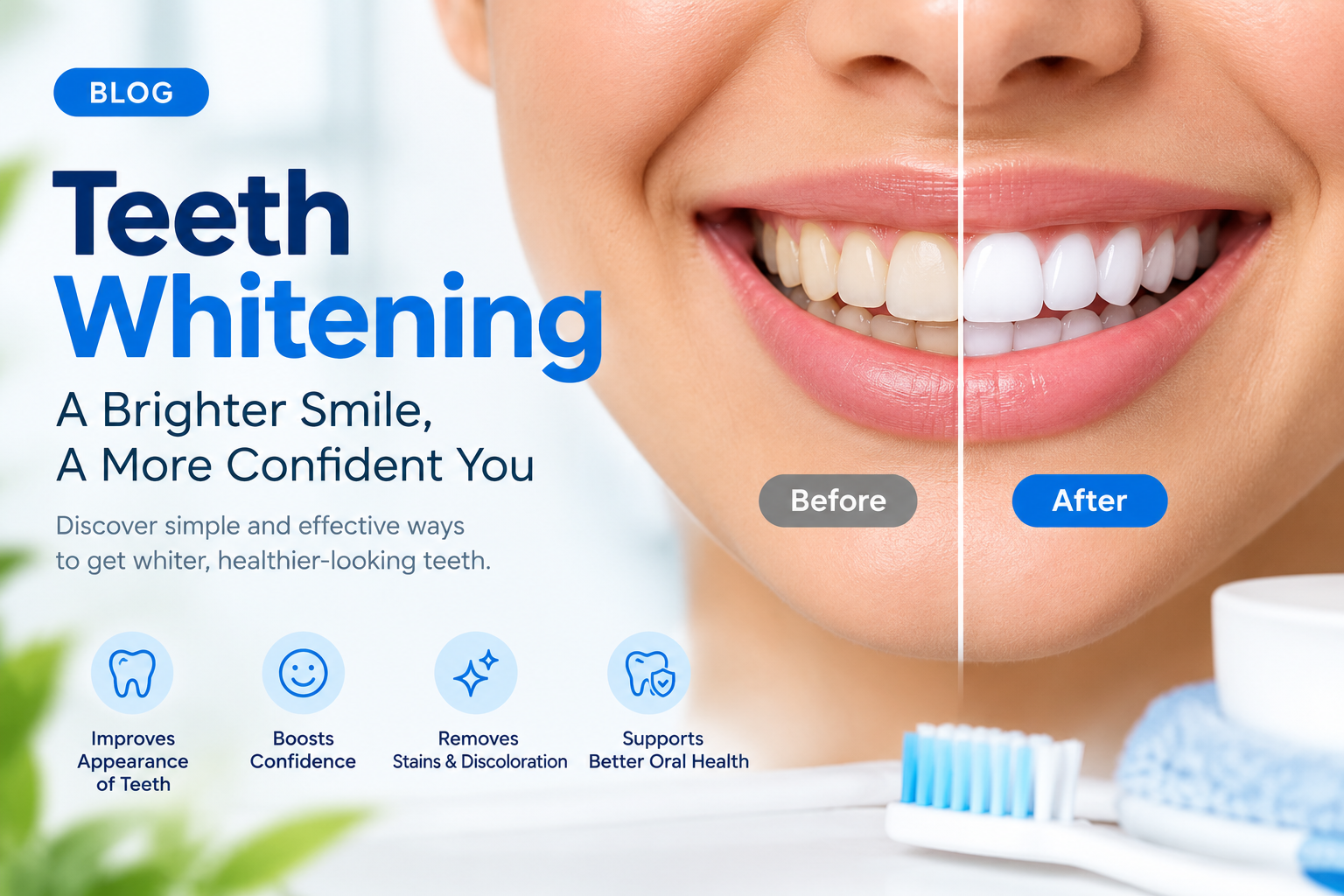
Teeth whitening is a cosmetic dental treatment intended to lighten the colour of natural teeth and reduce certain types of discolouration. It can be useful when your teeth have become stained through everyday activities or have gradually darkened over time. Unlike brushing alone, professional whitening uses dental bleaching products designed to change the appearance of tooth colour. The treatment and the results depend on the type of staining, your existing dental health, and the method selected by your dentist.
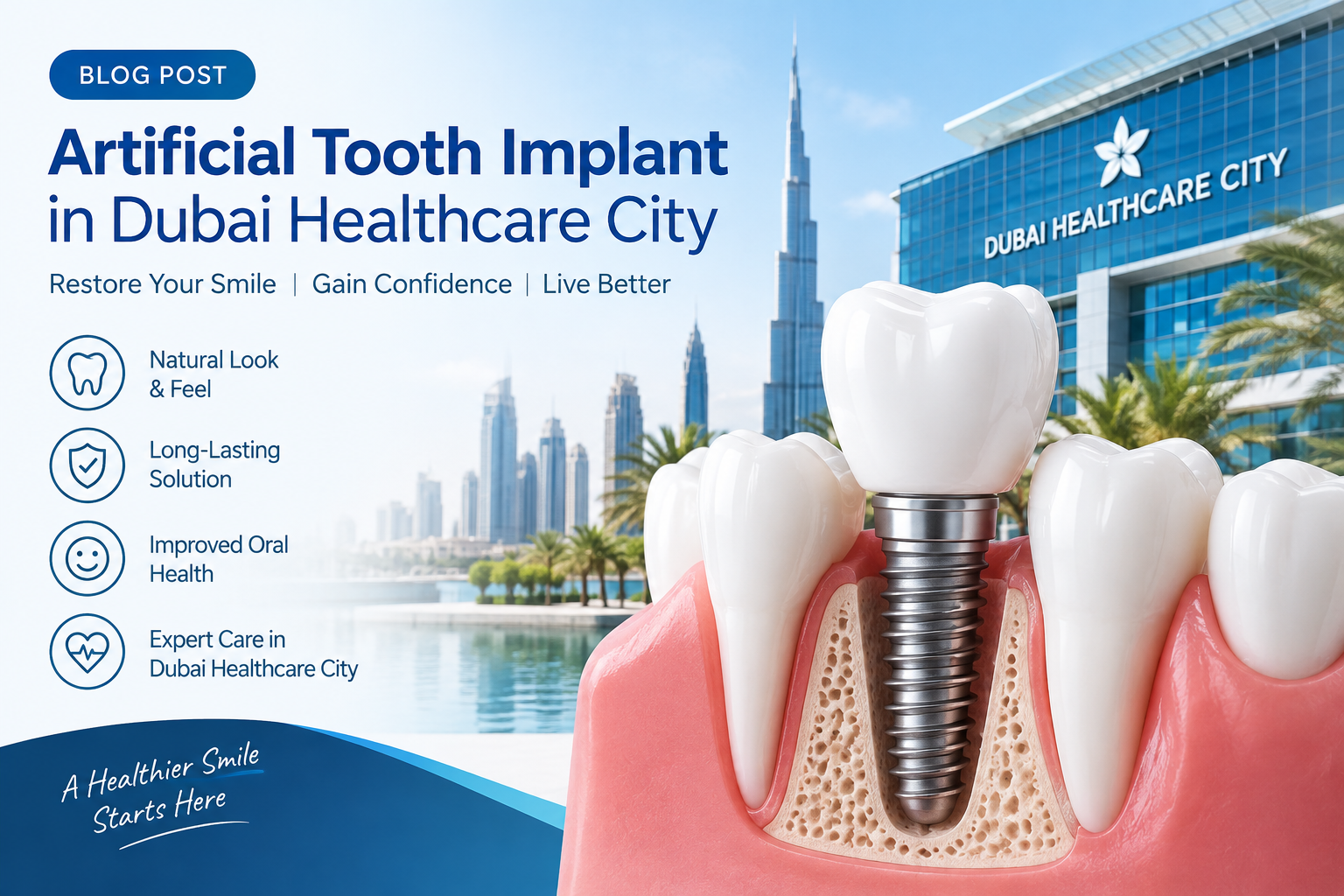
For people living or working in Dubai, finding a convenient dental clinic is often an important part of planning treatment. Dubai Healthcare City is a recognised healthcare destination with clinics offering a range of dental services. Dr. Priyanka Sharma Dental Clinic is located at Clinic 304, Building 24, Dubai Healthcare City, Umm Hurair Second, Dubai.
Dr. Priyanka Sharma
A consultation can help determine whether whitening is suitable for your teeth and what results you can reasonably expect.
Why Do Teeth Become Discolored?
Tooth discolouration can develop for several reasons. Coffee, tea, cola, strongly coloured foods, and tobacco can leave stains on the surface of teeth. Over time, these stains may become more noticeable, particularly if plaque accumulates or professional cleaning is overdue. Natural ageing can also affect tooth colour because the outer enamel gradually wears, making the underlying dentine more visible.
Not every type of discolouration responds to whitening in the same way. Surface stains may improve with professional cleaning, while deeper discolouration may require a different approach. Certain medications, dental injuries, and changes within a tooth can also affect its colour. A dentist can examine your teeth to identify possible causes and discuss appropriate treatment options rather than relying on whitening products without understanding the underlying issue.
Common Signs You May Need Teeth Whitening
You may consider a dental consultation if your teeth appear yellow, look darker than they used to, or have visible stains that remain despite regular brushing. Some people notice discolouration around the edges of their teeth, while others see uneven shades across their smile. These changes can develop gradually, making them difficult to notice until they become more prominent in photographs or everyday conversations.
However, a darker tooth does not automatically mean you need cosmetic whitening. A single tooth that has suddenly changed colour, especially after an injury or alongside pain, should be assessed by a dentist. Similarly, stains accompanied by bleeding gums, persistent sensitivity, or visible decay may require dental treatment before any cosmetic procedure. Identifying the cause first helps ensure that the treatment addresses the actual concern.
What Is Professional Teeth Whitening?
Professional teeth whitening is a dental procedure that uses whitening agents, commonly peroxide-based products, to lighten the colour of natural teeth. The dentist considers your oral health, the degree of discolouration, and your desired outcome before recommending a suitable approach. Depending on the method, treatment may take place in the clinic or involve a dentist-supervised home whitening system.
The aim is to improve tooth colour while protecting your teeth and gums. Whitening is not the same as removing plaque or tartar, and it cannot correct every cosmetic concern. It also does not change the colour of existing crowns, veneers, fillings, or other restorations. A professional assessment helps clarify what whitening can achieve and whether another cosmetic option may be more appropriate.
Professional Whitening vs. At-Home Products
Whitening toothpaste, over-the-counter strips, and other home products are widely available. Some products help remove surface stains, while bleaching products may gradually lighten natural tooth colour. Their ingredients, strength, application methods, and suitability vary, so it is important to follow the product instructions and avoid excessive use.
Professional treatment offers the advantage of an individual dental assessment and guidance on selecting an appropriate method. A dentist can check for cavities, gum inflammation, exposed roots, and other concerns that may affect comfort or treatment suitability. This is particularly useful if you already experience sensitivity or have extensive dental restorations.
|
Feature |
Professional whitening |
At-home whitening products |
|---|---|---|
|
Assessment |
Can include a dental examination |
Usually depends on the user |
|
Treatment plan |
Can be tailored to oral health and staining |
Depends on the product |
|
Application |
In-clinic or dentist-supervised, depending on the method |
Usually self-administered |
|
Results |
Depend on the method and type of discolouration |
Depend on the product and consistency of use |
|
Sensitivity management |
Dentist can advise on managing symptoms |
Users must follow product guidance and seek advice if problems occur |
The Role of a Dental Consultation
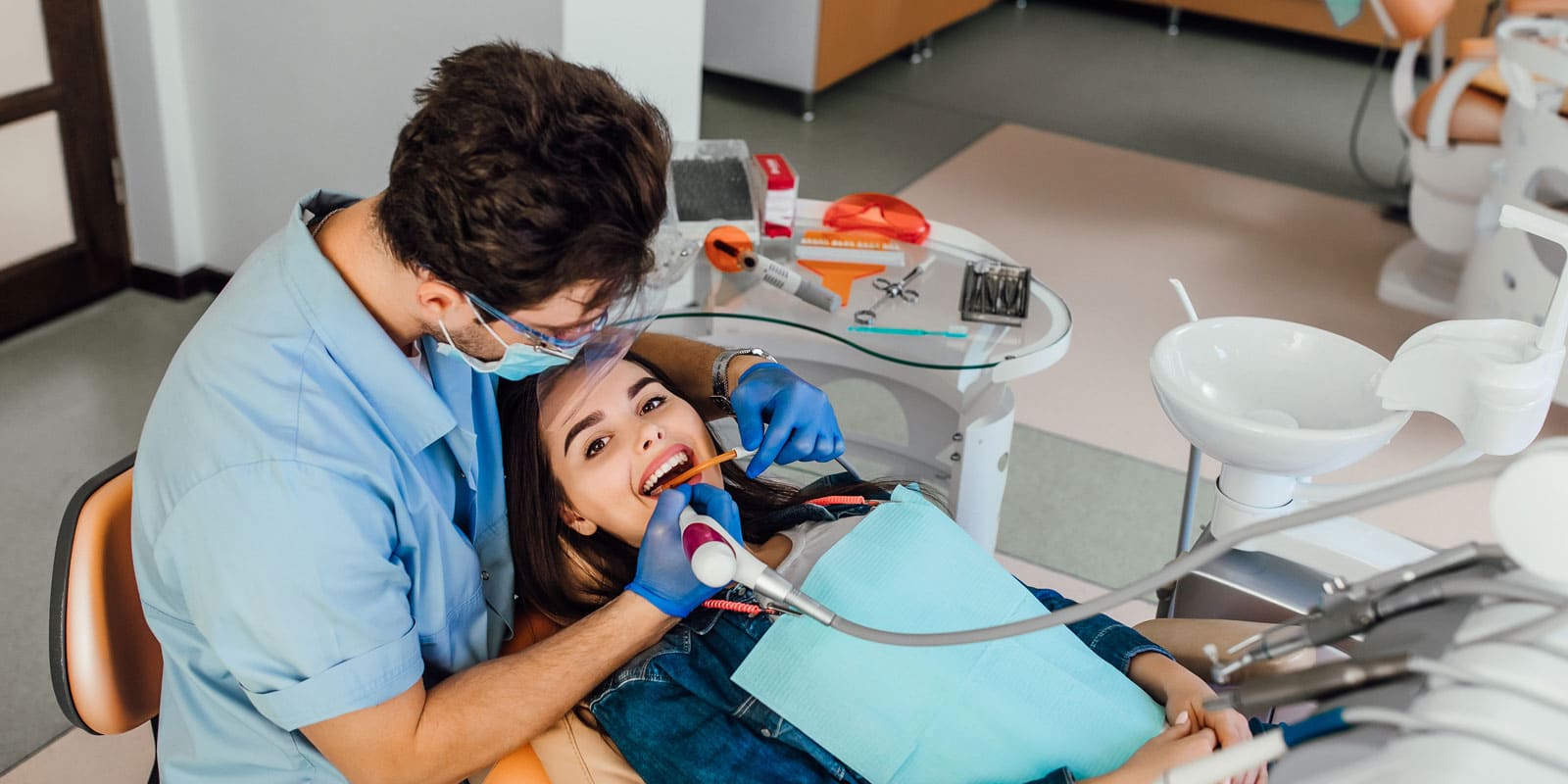
A dental consultation is an important first step before whitening. During the appointment, your dentist may examine your teeth and gums, ask about sensitivity, review existing restorations, and discuss your expectations. This assessment helps identify conditions that should be treated before whitening begins.
It also provides an opportunity to ask practical questions about treatment duration, possible discomfort, aftercare, and expected results. If your discolouration is caused mainly by surface deposits, professional cleaning may be sufficient to improve the appearance of your smile. If bleaching is appropriate, your dentist can explain the available options and recommend a suitable plan.
Benefits of Professional Teeth Whitening
Professional teeth whitening can help improve the appearance of natural teeth by reducing certain stains and making the smile look brighter. For people who feel self-conscious about yellowing or discolouration, a change in tooth shade may make smiling in photographs or speaking in social situations feel more comfortable. However, cosmetic results vary from person to person, and whitening should be approached as a personal choice rather than a requirement for having a healthy smile.
The benefits also depend on choosing the right treatment. Some patients may benefit from professional cleaning, while others may be suitable for a bleaching procedure. A dentist can explain the differences and help you understand the likely outcome. When you combine appropriate treatment with regular oral hygiene, you can support both the appearance and health of your teeth.
A Brighter, More Confident Smile
Your smile is part of how you express yourself, and tooth colour can influence how you feel about its appearance. If stains have developed through years of drinking tea or coffee, professional whitening may help restore a brighter look. The change can be particularly noticeable when the discolouration is caused by stains that respond well to bleaching.
It is important to keep your expectations realistic. Naturally healthy teeth come in different shades, and an extremely white result may not look natural for everyone. The objective should be a shade that suits your teeth and smile rather than achieving the whitest possible colour. Discussing your preferences with a dentist can help you understand the likely result before starting treatment.
Personalized Dental Care
Every patient has different dental needs. One person may have surface stains from food and drinks, while another may experience deeper discolouration or sensitivity. Existing fillings, crowns, veneers, and gum conditions can also affect the treatment plan. For this reason, a personalised assessment is more useful than choosing a whitening treatment based solely on advertisements or online reviews.
At Dr. Priyanka Sharma Dental Clinic, patients can discuss their dental concerns with a practitioner who provides general and cosmetic dentistry. The clinic’s published information also describes preventive care and professional cleaning services.
Teeth Whitening Treatment Process
The exact process depends on the whitening method selected by your dentist. Some procedures are performed at the clinic, while others involve custom-made trays and dentist-supervised treatment at home. Before treatment begins, your dentist should explain the procedure, the expected results, and any potential side effects.
Understanding the stages can help you feel more comfortable during your appointment. Although the process may be straightforward for suitable patients, the dentist must first ensure that whitening is appropriate. Treating existing dental problems and following the recommended instructions can help reduce the likelihood of avoidable discomfort.
Initial Examination and Assessment
The first stage is a dental examination. Your dentist checks the condition of your teeth and gums and looks for issues such as tooth decay, gum inflammation, cracks, or exposed roots. They may also ask about previous whitening treatments, sensitivity, medications, and dental restorations.
Your dentist will then discuss the reason for the discolouration and whether whitening is likely to help. If a tooth has become dark because of an internal problem, a standard whitening procedure may not address the cause. In such cases, further examination or a different treatment may be necessary. This assessment helps establish a safe and realistic treatment plan.
Preparing Your Teeth for Whitening
Before whitening, your dentist may recommend professional cleaning if plaque, tartar, or surface stains are present. Cleaning removes deposits that regular brushing cannot always eliminate and can make the natural tooth colour easier to assess. It is a separate procedure from bleaching, although both may be discussed during a cosmetic dental consultation.
If your dentist identifies cavities, gum disease, or other oral health concerns, these may need attention before whitening. Treating these problems first can help reduce discomfort and protect your dental health. Your dentist will also consider existing restorations because whitening agents do not lighten materials such as crowns and fillings in the same way as natural enamel.
Preparing Your Teeth for Whitening
Before whitening, your dentist may recommend professional cleaning if plaque, tartar, or surface stains are present. Cleaning removes deposits that regular brushing cannot always eliminate and can make the natural tooth colour easier to assess. It is a separate procedure from bleaching, although both may be discussed during a cosmetic dental consultation.
If your dentist identifies cavities, gum disease, or other oral health concerns, these may need attention before whitening. Treating these problems first can help reduce discomfort and protect your dental health. Your dentist will also consider existing restorations because whitening agents do not lighten materials such as crowns and fillings in the same way as natural enamel.
The Whitening Procedure
For in-clinic whitening, the dentist applies a professional whitening product according to the selected treatment protocol. The gums and other soft tissues are protected as required, and the product is used for the recommended period. Depending on the system, the dentist may apply the whitening agent in stages and assess the progress during the appointment.
For dentist-supervised home whitening, the dentist may provide customised trays and instructions for using a suitable whitening gel. The treatment is completed over the recommended period rather than through unsupervised or excessive application. Both approaches have benefits and limitations, and the appropriate choice depends on your dental condition, preferences, and the advice of your dentist.
Is Teeth Whitening Suitable for Everyone?
Teeth whitening is not suitable for every patient or every type of discolouration. Before recommending treatment, a dentist needs to consider your age, oral health, sensitivity, and the condition of your teeth. People with untreated cavities, significant gum inflammation, or certain forms of enamel damage may need other dental care first.
Whitening is generally intended to change the colour of natural teeth. It does not repair decay, strengthen damaged teeth, or replace restorative treatment. If you have concerns about your tooth colour, a dental examination can help establish whether whitening is appropriate or whether another option would better address the problem.
Tooth Sensitivity and Gum Health
Temporary tooth sensitivity is a recognised side effect of whitening. Some patients experience brief discomfort when consuming cold drinks or hot foods, while others notice mild gum irritation. These effects may depend on the whitening product, its concentration, the duration of use, and the condition of the teeth before treatment.
If you already have sensitive teeth, tell your dentist before starting. They may recommend addressing the underlying cause, adjusting the whitening approach, or delaying treatment. You should not continue using a whitening product if it causes significant pain or irritation. Seek advice from your dentist, particularly if symptoms persist or become worse.
Healthy gums are also important. Inflamed or bleeding gums should be assessed before cosmetic treatment, and whitening products should be used exactly as directed. A dentist can explain how to protect soft tissues and what to do if irritation develops.
Crowns, Veneers, and Fillings
If you have crowns, veneers, bridges, or tooth-coloured fillings, it is important to discuss them during your consultation. Whitening products lighten natural tooth structure, but they do not reliably change the colour of these restorative materials. As a result, whitening may create a difference between natural teeth and existing dental work.
This does not necessarily mean that whitening is unsuitable. Your dentist can assess the position and shade of your restorations and explain how treatment may affect the overall appearance of your smile. In some situations, you may decide to keep your restorations as they are. In others, your dentist may discuss alternative cosmetic options, including whether replacing a restoration is appropriate.
How to Maintain Your Teeth Whitening Results
The longevity of whitening results varies according to your diet, oral hygiene, habits, and the original cause of the discolouration. Teeth may gradually become stained again after treatment, particularly if you frequently consume dark-coloured drinks or use tobacco. Whitening is not a permanent change, so maintaining your results involves looking after your teeth every day.
A simple oral care routine can help keep your smile looking clean. Brush twice daily with fluoride toothpaste, clean between your teeth, and attend dental check-ups as recommended. Professional cleaning can also help remove plaque, tartar, and certain surface stains that develop over time.
Daily Oral Hygiene and Lifestyle Habits
Your everyday habits can influence how long your teeth remain bright. Coffee, tea, red wine, cola, and strongly coloured foods can contribute to staining, although you do not necessarily need to eliminate every food or drink you enjoy. Rinsing your mouth with water after consuming staining drinks and maintaining consistent oral hygiene can help reduce residue.
Avoid smoking and other tobacco products, which can stain teeth and harm your oral health. If you experience dry mouth, ask your dentist for advice because saliva helps protect the mouth and clear food particles. Avoid using acidic household substances, undiluted peroxide, or abrasive materials as DIY whitening methods. These can irritate your gums or damage your teeth.
Follow any specific aftercare instructions provided by your dentist. If you are advised to limit staining foods and drinks for a period after treatment, follow that guidance. You should also avoid repeating whitening treatments too frequently without professional advice, as excessive use may increase sensitivity and irritation.
Why Consider Dr. Priyanka Sharma Dental Clinic in Dubai Healthcare City?
Choosing a dental clinic involves more than finding a convenient location. You should feel comfortable asking questions, understand the treatment being recommended, and receive clear information about costs, expected outcomes, and aftercare. For cosmetic procedures, it is particularly important that the dentist considers your oral health alongside your aesthetic preferences.
Dr. Priyanka Sharma Dental Clinic is located in Dubai Healthcare City and lists general and cosmetic dentistry among its services. Its published information also describes preventive dental care, professional cleaning, and cosmetic treatments.
Before booking, contact the clinic to confirm the availability of professional teeth whitening, the treatment methods offered, and the consultation fee. Ask whether a dental examination and cleaning are required before whitening, how long the procedure takes, and whether the quoted price includes follow-up care. These questions can help you make an informed decision and avoid unexpected costs.
Clinic Location and Contact Details
Dr. Priyanka Sharma Dental Clinic
Address
Clinic 304, Building 24, Dubai Healthcare City, Umm Hurair Second, Dubai, UAE.
Phone
+971 54 555 1637
contact@drpriyankaclinic.ae
Published opening hours
Daily, 11:00 AM–9:00 PM. Confirm availability before visiting.