Introduction
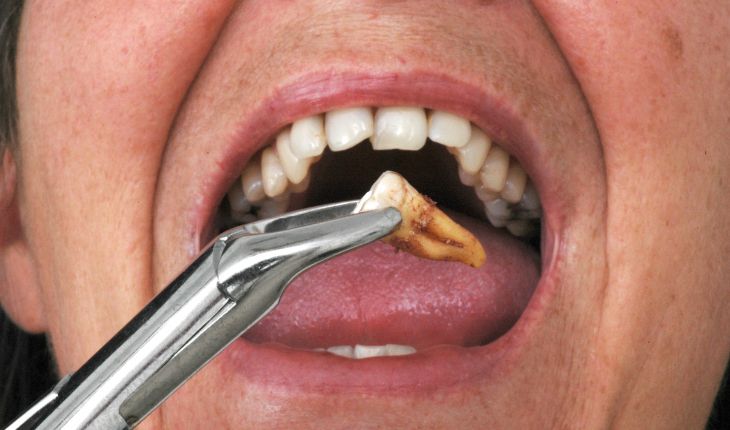
Tooth extraction is a dental procedure helping protect the oral health when a damaged tooth cannot be saved. Extraction itself is an important process, but proper healing is just as essential for a smooth and quick recovery. One should must know what happens after the procedure, it can help you manage discomfort, avoid complications, and return to your normal routine with confidence.
Every person’s healing process is different. There are factors including age, overall health, extraction type, and how well you follow your dentist’s instructions all influence the healing process. Understanding what comes at each stage makes it easier to recognize normal healing and identify signs that require professional attention. Below is explained the tooth extraction healing timeline, common symptoms, recovery tips, foods to eat, as well as when to contact your dentist.
What Is Normal Tooth Extraction Healing?
Forming of a blood clot over the empty socket is the first symbol of tooth extraction healing. The clot protects the bones and nerves along with providing foundation for new tissue. With the passage of time the gum closes over the socket and bone present under continues to heal.
Few symptoms including mild pain, swelling, tenderness as well as slight bleeding are common scenarios of first day. These symptoms usually decrease with proper care. As the time goes, discomfort decreases, swelling decreases, and also the extraction site starts looking healthier.
Following your dentist’s aftercare instructions plays an important role in preventing complications and supporting a faster, smoother recovery.
Most important is to follow the instructions provided by your dentist to prevent the further complications.
Tooth Extraction Healing Timeline
First 24 Hours
The first 24 hour is the most crucial stage of recovery. Blood clot forms at the extraction site, therefore protecting the area from harmful bacteria and reducing the risk of complications.
During the period, one may experience slight bleeding, swelling, numbness from the local anesthesia as well as discomfort once it wears off. However, these symptoms are manageable through proper care as well as medication and cold compresses.
One should avoid forcefully rinsing mouth, using straws, smoking and eating hard food because it can disturb the blood clot.
Days 2–3
Before improving, swelling reaches its peak during the second or third day. Extraction site can become white or yellow during the healing procedure. It is the part of normal healing rather than an infection.
At this stage the pain becomes manageable and one can start having soft food along with maintaining gentle oral hygiene. Careful brushing at the extraction site is required as it can prevent the bacterial buildup without disturbing the healing tissues.
Days 4–7
After the passage of the one week, most of the discomfort and swelling begin to fade. At this point, the gum tissue starts closing over the socket making the area less sensitive. Also, this is the stage where the stitches are removed if dissolvable stitches are not used. From here, most of the patients return to their normal activities but crunchy and sticky foods should still be avoided until further improvement.
Weeks 2–4
In the following weeks, more strength comes to the gum as the new bone develops under the surface. Regular activities become more comfortable and also eating becomes easier. Bone healing takes longer time than the gum healing and can take several months after the extraction.
Signs Your Tooth Extraction Is Healing Properly
When we talk about the healthy recovery then it takes place gradually and one should must know about it to avoid unnecessary concern.
Look for these signs:
- Bleeding stops in few hours.
- After two- or three-days swelling decreases
- Pain reduces gradually.
- The blood clot holds onto the place.
- The gum tissue gradually closes over the socket.
- No foul smell or unusual discharge.
- You start eating as well as speaking more comfortably each day.
Warning Signs That Require a Dentist’s Attention
There are few symptoms that should never be ignored because they indicate an infection or any other complications.
Contact your dentist if you experience:
- Pain worsens suddenly within few days.
- When heavy bleeding does not stop even after exerting pressure.
- Fever or chills.
- Continuous discharge of pus from the extraction site.
- Bad taste or strong odour which is not improving.
Common Reasons Why Healing May Be Delayed
Although most of the extraction sites heal without difficulty. But also, there are certain factors that slows the recovery process. Smoking, one of the reasons that increases the risk of dry socket. Also, one should maintain the proper oral hygiene because it prevents bacteria buildup around the extraction site. Medical conditions such as diabetes also affect the process of natural healing. In addition, consuming hard food, disturbing the blood clot, or ignoring your dentist’s instruction can also delay the recovery period. Therefore, keeping the area clean and following all the aftercare advice significantly improves healing.
Tips to Speed Up Tooth Extraction Healing
Although healing requires time, but the healthy habits can support your recovery in a quicker manner.
- Gentle bite on the gauze as per the instructions.
- Using cold pack during the first 24 hours to reduce swelling.
- Take sufficient rest and avoid exercises for couple of days.
- Take water in sufficient amount to stay hydrated.
- Eat food which is soft and nutritious and something that do not irritate the extraction site.
Foods to Eat and Foods to Avoid After Tooth Extraction
It is your food choice that decides your quick healing or delayed healing. Therefore, soft, nutritious food exert less pressure on extraction site and enable the body to recover faster.
Foods to Eat
Always opt for the foods, which are easy to chew and gentle on the healing area, such as:
- Yogurt
- Mashed potatoes
- Scrambled eggs
- Oatmeal
- Smooth soups that are not too hot
Foods to Avoid
There is certain category of foods which can disturb the blood clot. So, Avoid:
- Hard nuts and seeds
- Chips and popcorn
- Sticky candies
- Spicy foods
Returning to your normal diet is dependent on your dentist’s instructions whether your extraction site is healing well.
How to Prevent Dry Socket
The most common complication after tooth extraction is the dry socket. It appears when the blood clot becomes dislodged or fails to form properly, therefore exposing the bone and nerves.
One can lower the riskby following a few simple precautions:
- Avoid smoke or use of tobacco products.
- Make sure that you follow the aftercare instructions carefully.
- Rinse your mouth gently and that only when advised.
- Opt for soft foods during the first few days.
When Should You Visit a Dentist?
The main thing is the routine follow-up to your dentist so that it can be determined that whether your healing process is on track. But you need not to wait for your appointment if you notice any unusual symptoms. Immediately search for a Dental clinic near me and go for your appointment if you face persistent bleeding, severe pain which is not improving even after several days. One needs to pay attention in this situation as they indicate an infection or another complication that requires urgent treatment.
Conclusion
Tooth extraction is a gradual process, requiring patience and proper aftercare. However, there are certain symptoms including mild pain, swelling, tenderness which are expected during the first few days. Following the dentist’s instruction, maintaining good oral condition, eating the right food as well as protecting the blood clot contributes to the quick recovery. In case, you start noticing any unusual symptoms including severe pain, prolonged bleeding etc, then you can search for Best Dentist in Dubai to get the prompt treatment and prevention of any further complications to maintain your healthy smile.