Introduction
Tooth pain and severe dental problems often lead to confusion regarding choosing the dental treatment. People often ponder upon whether they should save their natural tooth by root canal treatment or remove it completely through tooth extraction process. However, both the procedures are common in dentistry, but they fulfil different purposes depending on the situation of the tooth.
It involves several factors upon which choosing between root canal and extraction depends, including the stage of damage, oral health condition, and long-term dental goals. Therefore, it is important to understand both the treatments, their benefits, as well as their differences that will help you make an informed decision regarding your dental health.
What is Root Canal Treatment?
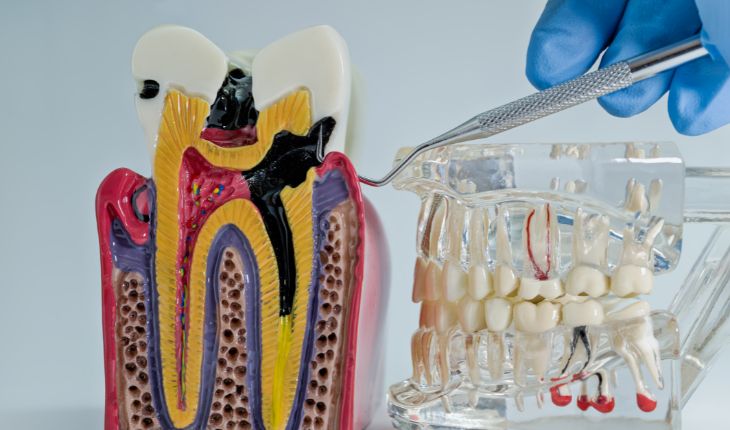
If we define root canal treatment, then it can be defined as a dental procedure designed and developed to save a damaged or infected tooth. By focusing on removing the infected pulp inside the tooth while preserving the natural tooth structure in original place.
During performing the procedure, the dentist carefully observes and removes the damaged tissue, disinfects the area of the tooth, and thereby, seals it to prevent further infection. In certain situations, a dental crown is placed post treatment to restore strength and function.
Root canal treatment is recommended only when the outer structure of the tooth seems strong enough to support restoration process. It let patients keep their natural teeth while removing the pain and infection.
What Is Tooth Extraction?
As the name itself suggests, tooth extraction is the process of removing a tooth completely from its position in the jawbone. Dentists recommend for the extraction when a tooth is severely damaged and there remains no scope of repair.
There are several reasons for extraction but some common reason includes extreme decay, serious infection, advanced gum disease, or a badly broken tooth. Once the tooth is removed then, replacement options such as dental implants or bridges are considered to restore the appearance and function.
However, extraction solves the immediate dental problem, but replacing the missing tooth is often important to maintain the proper chewing ability and to prevent other dental issues.
Root Canal vs Tooth Extraction: Key Differences
Both treatments aim to improve oral health, but they work differently.
- Procedure and Treatment Approach
Root canal treatment emphasises on saving the existing tooth by eliminating the infection from the inner side. Therefore, the natural tooth remains tight in place and continues functioning normally even after restoration.
Tooth extraction completely removes the entire tooth from the mouth. After extraction, it may be possible that additional treatment is required to replace the missing tooth as well as maintain proper alignment.
- Pain and Comfort Level
Many people believe root canals are extremely painful, but modern dental techniques have made the procedure much more comfortable. Local anesthesia helps reduce discomfort during treatment.
Tooth extraction is also performed with anesthesia, but recovery may involve swelling, soreness, and extra care while the area heals.
- Long-Term Oral Health Impact
Keeping the natural tooth is always preferred because it maintains jaw line and its structure as well as the normal function. A successful root canal can preserve the tooth for many years down the line.
However, there are certain situations where extraction may be necessary but if the missing tooth remains untreated then it can lead to shifting teeth and bite problems.
Benefits of Choosing Root Canal Treatment
Root canal treatment offers several advantages, especially when the tooth can still be saved.
- Saves Your Natural Tooth
Root canal treatment offers one of the biggest advantages and that is, it allows patient to keep their original tooth. Natural teeth help maintain chewing function along with supporting the surrounding teeth.
- Restores Normal Chewing Function
Post completion of treatment and restoration process, patients can usually bite and chew comfortably once again. A tooth after restoration can function almost like a healthy natural tooth.
- Maintains Your Natural Smile
Last but not least, root canal treatment conserves your natural appearance. Because the original tooth remains in its original place, that’s why it supports the overall balance and look of your smile.
When Is Tooth Extraction the Better Option?
Nobody wants to extract their teeth without any reason and that’s why saving the tooth is usually preferred, but extraction sometimes is the better solution. But in certain situations, like severely fractured state, extensively decayed, or if the tooth has lost too much supporting structure, then removing it remains the only option as it may protect overall oral health.
Extraction can also be recommended if the infection is uncontrollable through other treatments. In those cases, removing the affected tooth results preventing the problem from spreading to nearby areas. However, a dentist will initially examine the condition of the tooth before suggesting going for extraction as the final option.
Factors to Consider Before Making a Decision
Be it root canal treatment or extraction, it requires careful evaluation of several factors before opting for them.
- Condition of the Damaged Tooth
The remaining healthy tooth structure plays an important role. If sufficient structure remains, then root canal can successfully restore the tooth. But in case the damage is too extensive, extraction may be the last resolution.
- Treatment Cost and Future Needs
No doubt, the initial cost of extraction may sometimes appear lower, but after that, it is the replacing of missing tooth with an implant or bridge that increases the overall expense. Root canal treatment might need a higher upfront cost but it can help you preserve the natural tooth and further avoid replacement procedures.
- Dentist’s Recommendation
A professional dental examination is the best way to determine the right treatment. Dentists evaluate the tooth condition, infection level, and long-term benefits before recommending a procedure. Many patients also search for Dental Care near me to find reliable professionals who can examine their dental concerns and suggest the most suitable treatment option.
Recovery After Root Canal vs Tooth Extraction
Recovery after root canal treatment is usually simple. Some patients may feel mild sensitivity for a few days, but they can return to normal activities quickly. Tooth extraction recovery may take longer because the gum and bone need time to heal. Patients must follow post-treatment instructions, avoid disturbing the extraction area, and maintain proper oral hygiene. Both treatments have successful outcomes when performed correctly and followed by proper care.
Cost Comparison: Root Canal vs Tooth Extraction
The cost of root canal treatment and tooth extraction depends on factors including tooth condition, treatment complexity, and additional procedures required. A simple extraction may cost less initially, but replacing the missing tooth can increase the total expense. Root canal treatment helps save the natural tooth, reducing the need for replacement options. The best choice should not depend only on cost. Long-term oral health, comfort, and functionality should also be considered.
How to Prevent Tooth Damage and Tooth Loss
Preventing dental problems is always better than treating them later. Maintaining good oral hygiene can reduce the risk of decay, infection, and tooth loss. Regular brushing, flossing, and dental check-ups help detect problems at an early stage. Avoiding excessive sugary foods and treating cavities quickly can also protect natural teeth. Early dental care increases the chances of saving teeth and avoiding complicated procedures in the future.
Final Thoughts
Both root canal treatment and tooth extraction are effective dental procedures, but the right choice depends on your individual situation. Root canal treatment is often preferred when the natural tooth can be saved, while extraction becomes necessary when the damage is beyond repair.
Understanding the benefits, recovery process, and long-term effects of both treatments can help you make a confident decision. Consulting an experienced dentist ensures that you receive the most suitable treatment for maintaining a healthy and functional smile.