Introduction to Dental Crowns
One of the most commonly used restorative treatments in the modern dentistry is Dental Crown Treatment. It helps in the restoration of damaged teeth, enhancing the appearance as well as protect the teeth from further problems. No matter if a tooth is weakened by decay, cracked or affected due to injury, a dental crown is something that can provide strength and support.
Today, with the latest advancements dental crowns are available in different materials which can be customized to support the natural appearance of the teeth. Therefore, it is important for the patients to understand the purpose, treatment process, as well as expected lifespan to ensure an informed decision when it comes to dental care.
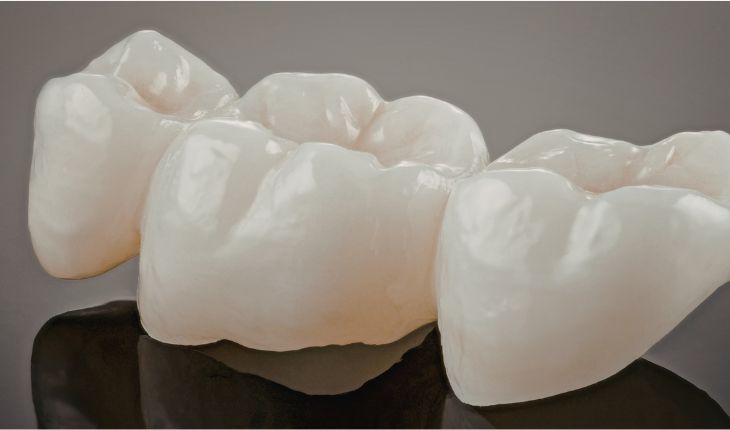
What Is a Dental Crown?
A Tooth Crown is a custom-made cap placed over a damaged or weakened tooth to restore its strength, shape and appearance. A dental crown is custom made cap placed over a damaged or weakened tooth. A dental crown covers entire visible portion of the tooth above the gum line. It helps in restoring tooth’s shape, size, strength as well as appearance.
They are designed to look and feel just like natural teeth. It is the material that defines how they will blend seamlessly with the surrounding teeth as well as provide the long-lasting protection.
Why Might You Need a Dental Crown?
Dental crown can be recommended for several reasons. Many patients also refer to Dental Cap Treatment when discussing crown procedures used to restore and protect damaged teeth.
- Protecting a weak tooth
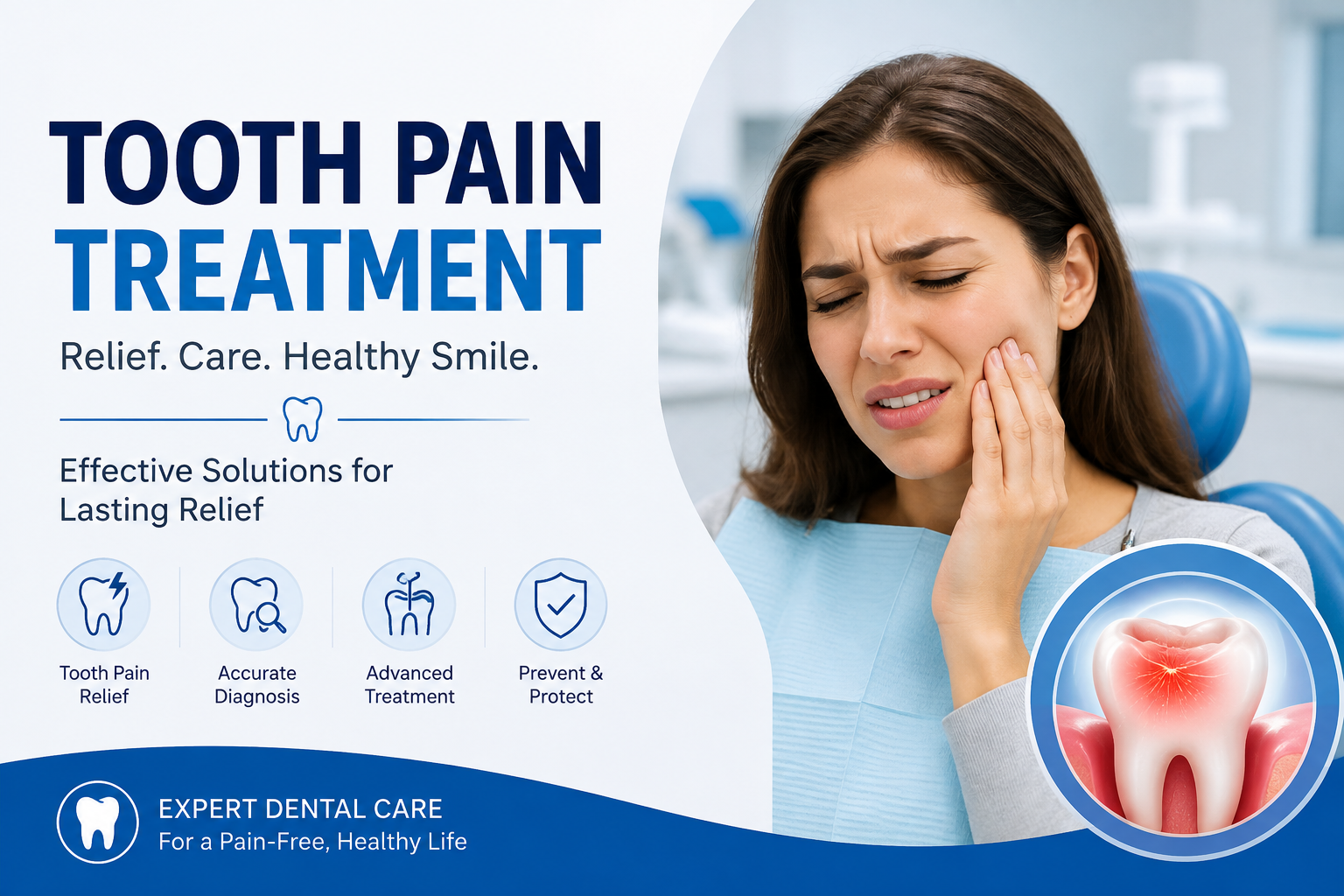
Teeth weakening resulting through decay, large fillings, or even cracks are more likely to break. Therefore, a dental crown protects the tooth and covers it in order to reduce the risk of further damage.
- Restoring a broken tooth
Sometimes it happens that a broker or severely worn tooth may not function properly. But a crown restores its structure and let the patient chew and speak comfortably.
- Covering a dental implant
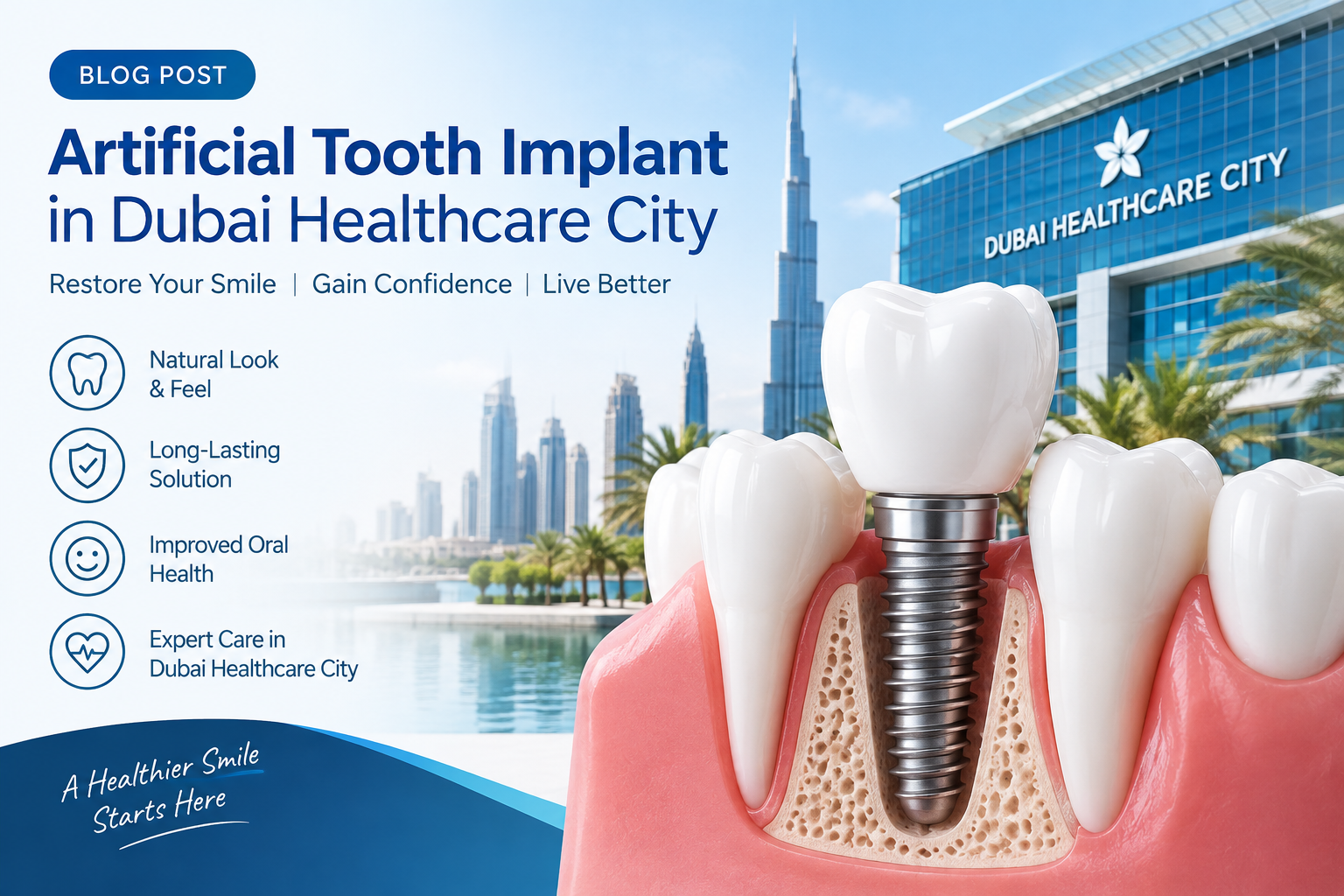
Also, the dental implants are commonly retrieved through the crowns. Because the crown acts as a replacement and hence provides a natural-looking result.
- Supporting a dental bridge
Whenever a dental bridge comes in place of missing teeth, then the crowns are placed on the adjacent teeth to provide support as well as hold the bridge in position.
- Improving appearance
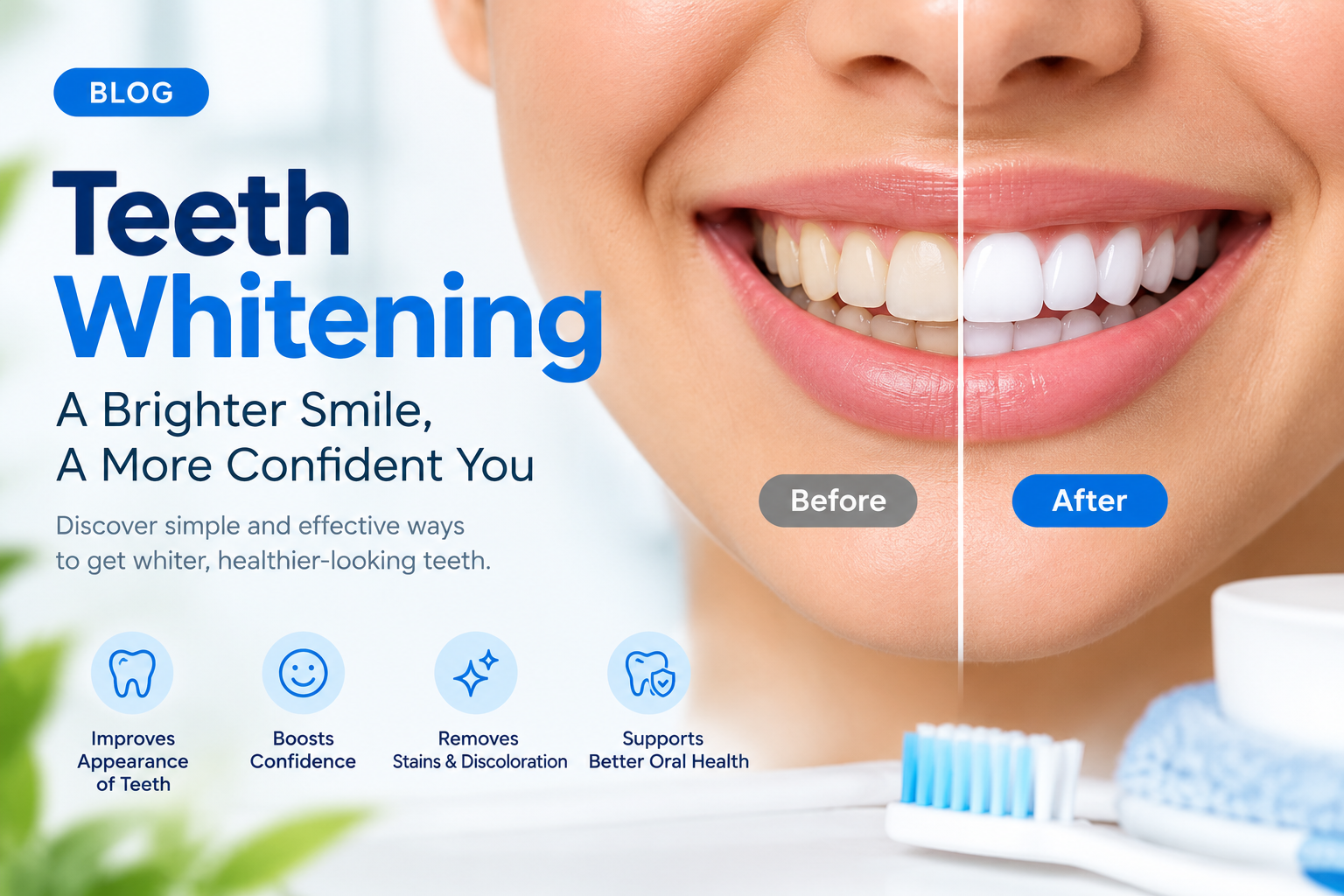
If we talk about the crowns then it must be taken into consideration then they can improve the appearance of teeth that are discoloured, misshapen, or uneven. They are an integral part of cosmetic and restorative dental treatments.
Types of Dental Crowns
Several types of dental crowns are available, each having their own advantages.
Porcelain Crowns
When it comes to front teeth, then the porcelain crowns are the best option as they closely resemble natural teeth. Also, they provide excellent aesthetics with surrounding teeth.
Ceramic Crowns
Another popular choice among the patients for a natural looking smile is the ceramic crown. Since they are durable, metal-free as well as best for people with metal allergies.
Metal Crowns
Metal crowns are made up of materials including gold or other metal alloys. They are strong as well as resistant to wear, making them ideal for back side teeth.
Porcelain-Fused-to-Metal (PFM) Crowns
Another type of dental crown is known as Porcelain Fused to Metal shortly known as PFM. They are the combination of strength of metal with the appearance of porcelain. They also offer balance between durability and aesthetics.
Zirconia Crowns
Zirconia crowns, known for their strength, durability, and natural appearance. They are becoming increasingly popular because of their ability to withstand heavy chewing forces along with maintaining an attractive look at the same time.
The Dental Crown Procedure
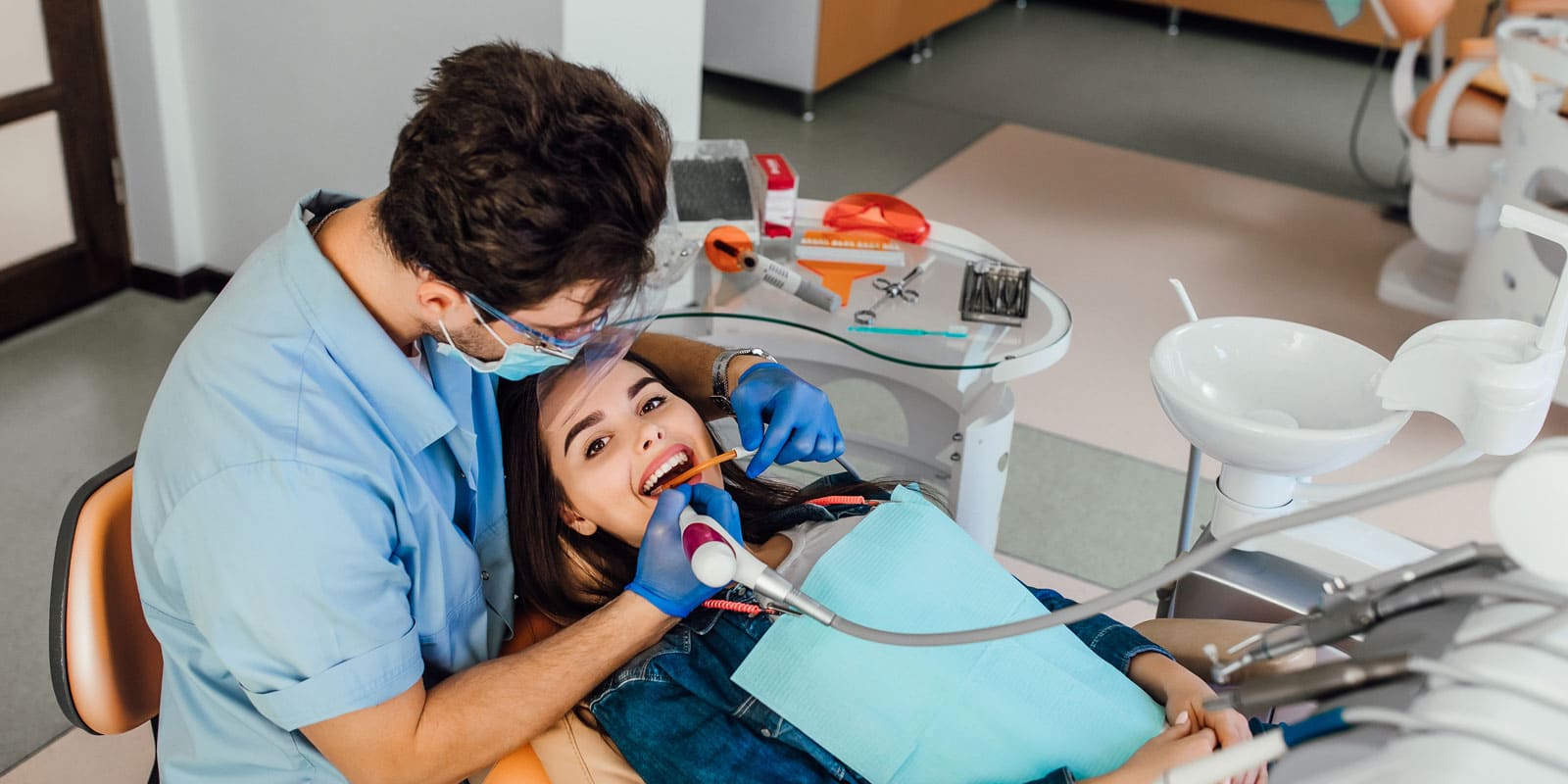
The procedure of dental crown usually involves multiple steps.
- Initial examination
The first step is the examination of affected tooth followed by an X-rays if necessary. It helps dentist decided whether crown treatment is the most appropriate.
- Tooth preparation
Now to generate the enough space, the tooth is reshaped so that the crown can be placed well. But if the significant portion of the tooth is missing then the dentist might rebuild it before placing the crown.
- Impression and crown fabrication
Now the tooth preparation is followed by digital scan, where the information is sent to the laboratory to produce custom crown. Meanwhile, a temporary crown can also be placed till the permanent crown is ready.
- Final crown placement
Then comes the final stage where the dentist checks the permanent crown and its fit as well as appearance, before fixing it permanently.
Benefits of Dental Crowns
If we talk about the dental crowns, then it offers several benefits. The benefits include damaged teeth, improved chewing function and smile enhancement. Crowns also protect the weakened teeth from future damages and it too provides long-term support post dental procedures.
In addition, latest crowns are made to look more natural therefore allowing patients to smile confidently without thinking about the noticeable dental changes.
How Long Does a Dental Crown Last?
There are several factors upon which lifespan of a dental crown depends upon. It includes material used to make it and also patient’s oral hygiene habits. Usually, a dental crown last between 10-15 years. But ultimately crowns lasts longer if due care has been taken.
Therefore, regular dental visits as well as good oral hygiene is key role in extending the life of a crown.
Factors That Affect Crown Lifespan
As far as longevity of a dental crown is concerned then there come several factors. The material used in the crown becomes the most important. Materials such as zirconia and metal lasts longer.
Also, good oral hygiene habits, teeth grinding, chewing hard-objects and other dental health also affect the crown durability.
How to Care for Your Dental Crown
Time to eliminate the myth among patients that how to take care of a crown. So, to clear this confusion, one must understand that all the due procedures should be followed to take care of crown that it usually taken for the natural teeth. It includes brushing twice a day, flossing on regular basis as well as using a fluoride toothpaste.
Patients must avoid having any hard objects to chew because it may damage the crown. Also, regular dental checkups are an integral part of the plan because they help dentists to monitor the condition of the crown better.
Potential Risks and Complications
Usually, dental crowns are safe for use. But some patients may face issue including temporary sensitivity after the treatment. In certain cases, it might happen that crown can become loose or worn over time, but due care can lower it probability.
Also, it must be kept in mind that poor oral hygiene increases the risk of decay around the crown margins. Therefore, timely dental care can help in addressing the issues before they become serious.
Cost of Dental Crowns
When it comes to the cost of a dental crown then several factors arrive, including materials used, complexity of the case, etc,. However, porcelain, ceramic, zirconia and metal crowns too differ in price.
It is true that crowns need initial investment but they provide long-term benefits through restoring tooth function and preventing any future dental problems.
Conclusion
No doubt that dental crowns are one of the most reliable solutions for restoration of damaged teeth. They also help in improving oral function as well as appearance with long-lasting support. With so many variants available in the market today, it enables the patients to choose from variety suiting their needs and budget. Patients searching online for Dental Crowns Near Me should choose a qualified dental professional who can recommend the most suitable crown material and treatment plan. Last but not least, the key element to the long-lasting health of a crown is maintaining good oral hygiene and regular dental checkup visit. If you are considering a crown procedure, consulting the Best Dentist in Dubai Healthcare City can help ensure personalized treatment and long-term results.