What Are Wisdom Teeth?
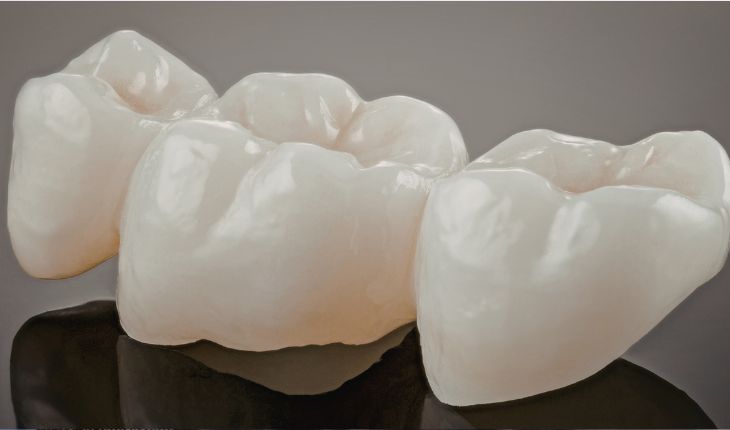
Wisdom teeth, which is the third set of molars usually comes between 17 to 25 age group people. Dentists call them as “third molars.” The majority of people get four wisdom teeth, each in every corner of the mouth. These teeth were useful for early humans, who needed extra chewing power. But the modern diets and smaller jaw sizes have reduced their functional significance.
In more than half of the cases, wisdom teeth grow without causing any problems at all. But the main issue comes in when it lacks sufficient space to grow properly. And then comes the stage when complication appears which affect the overall oral health. Proper understanding of their discomfort let individuals take timely action and avoid long-term complications.
Why Wisdom Teeth Cause Problems
Lack of Space in the Jaw
Modern human jaws do not have enough space to adjust wisdom teeth. As a result of which, teeth may push against surrounding teeth while trying to adjust. This results in over-crowd, change of teeth position and ultimate discomfort. There are instances where it also affects previously aligned teeth.
Impacted Wisdom Teeth
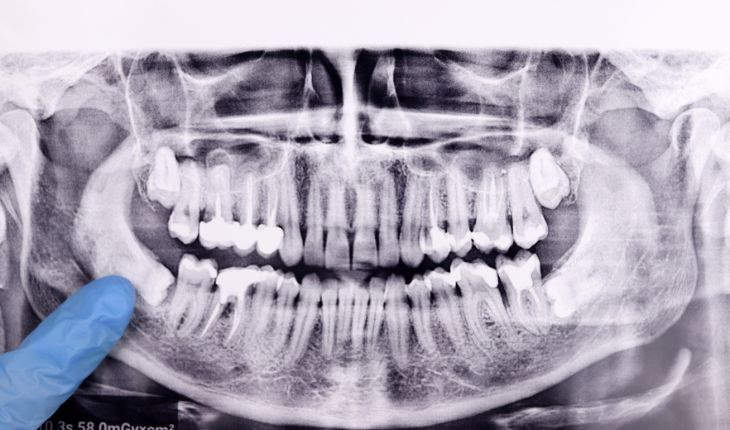
Wisdom teeth start causing trouble when they fail to grow properly through the gums. They may grow at an angle, remain trapped under the gum. Impacted teeth create pockets where food particles and bacteria accumulate easily. This condition increases the risk of infection, swelling, and gum disease. Dentists often recommend removal in such cases to prevent further complications.
Common Symptoms of Wisdom Tooth Pain
Wisdom tooth and issues related to it deepen over a period of time, but the symptoms get quite noticeable over time. Identifying these signs at early stage helps in getting the best treatment, especially when recognising the symptoms of impacted wisdom teeth at the right time.
- Continuous pain or discomfort at the back side of the mouth.
- Swelling, redness, or bleeding gums around the area affected.
- Difficulty in opening the mouth as well as chewing food.
- Bad breath due to the infection
These are the symptoms that may vary in its severity. Some people feel mild irritation, but on the other hand some people experience severe pain that hinders with their day to day activities. Ignoring these signs often lead to severe dental issues.
Treatment Options for Wisdom Teeth
In the initial stage, dentists go through the condition of wisdom teeth by performing clinical examination as well as X-rays. Thereafter, based on the findings, they prescribe appropriate treatment options.
For mild cases, dentists recommend maintaining good oral hygiene and monitoring the tooth along with using home remedies for wisdom tooth pain for temporary relief. They also prescribe medicines to reduce pain as well as inflammation. But this approach suits only when the tooth does not pose risk.
But in complicated situations, dentists go for wisdom tooth extraction. This procedure involves removal of the problematic tooth to prevent further damage. Dentists proceed under the local anesthesia, ensuring patient’s comfort. But nowadays modern techniques have made the procedure efficient, safe as well as relatively quick.
The only point is that early intervention plays a crucial role in preventing any further complications. But it is important to keep in mind that delayed treatment can often lead to infections or any further damage to adjacent teeth. Therefore, timely diagnosis and action is essential.
When Should You consult a Dentist?
One should consult a dentist as soon as one notices continuous discomfort or any unusual symptoms in the back part of your mouth. Periodic dental check-ups also let individuals identify issues before they convert into troublesome element and help in recognising the signs you need wisdom tooth removal at an early stage.
Dentists initially examine the position as well as growth of wisdom teeth and decide whether they require removal or monitoring. They also assist patients on how to maintain proper oral hygiene and prevent infections. Getting professional advice at the right time always ensures better outcomes and minimizes the risk of further complications.
Final Thoughts on Wisdom Teeth Care
However, wisdom teeth may not always cause problems, but they require monitoring. Understanding their root cause, symptoms, as well as treatment options guide individuals make informed decisions about their oral health, especially when choosing the best dentist for wisdom teeth removal in Dubai for proper care.
Effective dental care, proper hygiene, and regular check-ups play a crucial role in managing wisdom teeth effectively. Rather then waiting for severe pain, stepping in and taking early action ensures comfort, prevents complexity, as well as supports long-term dental well-being.